
Last updated: September 2026
📦 Quick Answer
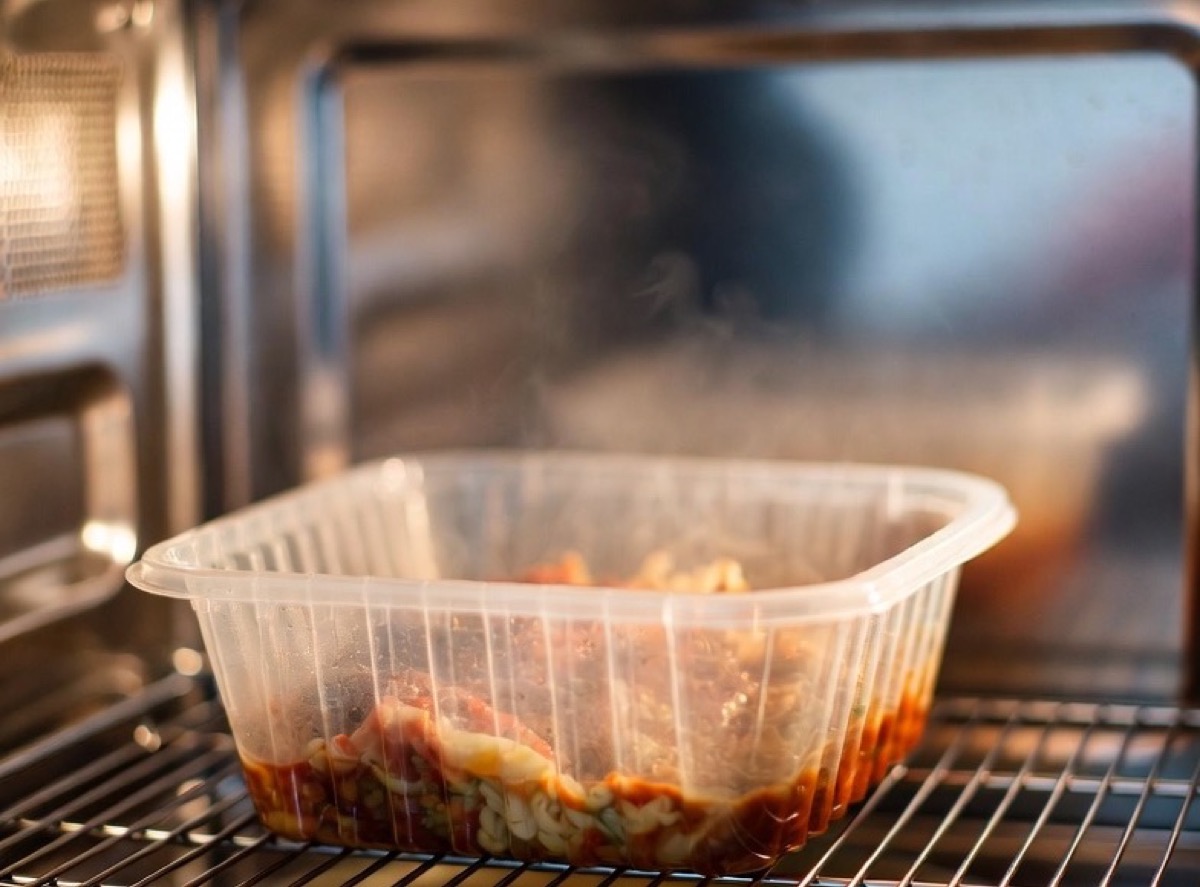
No, microwaving plastic is not safe – even containers labeled "microwave safe." A landmark 2023 study from the University of Nebraska-Lincoln found that microwaving plastic food containers can release billions of microplastics and nanoplastics into your food. These particles have been linked to endocrine disruption, inflammation, and cellular damage in a growing body of research. The safest move? Switch to glass or ceramic. It's easier (and cheaper) than you think.
Leftover pasta in the takeout container. Soup in a deli cup. A frozen meal in the tray it came in. If the bottom says "microwave safe," most people assume they are fine. That label mostly means the container will not melt. It does not mean nothing is going into the food.
This isn't one of those articles that's going to shame you for using a plastic container last Tuesday. Life is busy. Convenience matters. But if you're wondering whether microwaving plastic is actually safe, you deserve a straight answer backed by real science – not vague fear-mongering and not corporate reassurance either.
So let's get into it.
What Actually Happens When You Microwave Plastic
Here's the thing most people don't realize: microwaves don't just heat your food. They heat the container too. And when plastic gets hot, its chemical structure starts to break down.
Plastic isn't one solid, inert material. It's a matrix of polymers held together with chemical additives – plasticizers, stabilizers, flame retardants, colorants. When you blast that matrix with microwave radiation, two things happen:
-
Chemical leaching. Heat accelerates the migration of chemical additives out of the plastic and into your food. The hotter it gets, the more chemicals transfer. Fatty, acidic, and salty foods speed this up even further (so yes, that leftover marinara in a plastic tub is basically a worst-case scenario).
-
Physical degradation. The plastic itself starts shedding tiny particles. We're talking microplastics (smaller than 5mm) and nanoplastics (smaller than 1 micrometer – invisible to the naked eye). These particles end up in your food, and then in you.
A 2023 study published in Environmental Science & Technology by researchers at the University of Nebraska-Lincoln put numbers to this for the first time. They microwaved plastic baby food containers and reusable food storage containers under normal conditions – water, 3 minutes, standard microwave.
The results were staggering: up to 4.22 billion microplastic particles and 2.11 billion nanoplastic particles per square centimeter of container. Per use.
Let that land for a second. Billions. From a single container. In three minutes.
And those "microwave-safe" labels? They mostly mean the container won't melt or warp. They don't mean nothing is leaching into your food.
The Chemicals You're Actually Eating
When we talk about plastic in the microwave, we're really talking about a cocktail of chemicals. Here are the big ones worth knowing about:
BPA (Bisphenol A)
BPA is probably the chemical you've heard of. It's been used in hard plastics (like polycarbonate) and the linings of canned goods for decades. It mimics estrogen in the body, which is exactly as problematic as it sounds.
The FDA technically still considers low levels of BPA "safe," but the European Food Safety Authority slashed its tolerable daily intake by 20,000-fold in 2023, essentially acknowledging that previous safety thresholds were way too high. Research from the Endocrine Society has linked BPA exposure to:
- Reproductive issues in both men and women
- Increased risk of type 2 diabetes
- Cardiovascular problems
- Behavioral changes in children
And here's the kicker about those "BPA free" products: many manufacturers simply swapped BPA for structurally similar chemicals like BPS and BPF. A 2020 study in Current Opinion in Endocrine and Metabolic Research found these replacements exhibit similar endocrine-disrupting properties. So that "BPA free" label on your container? It might be technically accurate and practically meaningless.
Phthalates
Phthalates are plasticizers – they make rigid plastic flexible. They're in food packaging, cling wrap, takeout containers, and a disturbing number of everyday products. They're also potent endocrine disruptors.
Research published in Environment International (2021) found that people with higher phthalate exposure had elevated risks of cardiovascular disease and all-cause mortality. A long-running study from NYU Langone, published in 2021, estimated that phthalate exposure contributes to roughly 100,000 premature deaths per year in the United States alone among adults aged 55-64.
When you microwave plastic containing phthalates, heat dramatically increases the rate at which these chemicals migrate into food. A 2019 study in the Journal of Hazardous Materials found leaching rates increased by up to 15x at microwave temperatures compared to room temperature.
PFAS ("Forever Chemicals")
PFAS deserve a mention because they show up in some food packaging (particularly microwave popcorn bags and fast-food wrappers). They're called "forever chemicals" because they essentially never break down in the environment – or in your body. They've been linked to immune suppression, thyroid disease, liver damage, and several cancers.
Styrene
Found in polystyrene (Styrofoam) containers, styrene is classified as a possible human carcinogen by the International Agency for Research on Cancer (IARC). Heating polystyrene accelerates styrene migration. If you're microwaving food in a Styrofoam container, stop. Today. That one's non-negotiable.
Types of Plastic and What You Need to Know
Not all plastics are created equal. That little recycling number on the bottom of your container actually tells you something useful. Here's a practical breakdown:
#1 PET (Polyethylene Terephthalate)
Common uses: Water bottles, salad containers, condiment bottles
Microwave risk: Moderate-High. Not designed for heat. Can leach antimony and phthalates when heated. Never microwave.
#2 HDPE (High-Density Polyethylene)
Common uses: Milk jugs, detergent bottles
Microwave risk: Moderate. More stable than some plastics, but still not designed for microwave use.
#3 PVC (Polyvinyl Chloride)
Common uses: Cling wrap, some food packaging
Microwave risk: High. Contains phthalates. Heating PVC cling wrap over food is one of the worst things you can do. Keep it far from the microwave.
#4 LDPE (Low-Density Polyethylene)
Common uses: Squeeze bottles, plastic bags
Microwave risk: Moderate. Relatively inert, but still sheds microplastics when heated.
#5 PP (Polypropylene)
Common uses: Yogurt cups, deli containers, "microwave-safe" containers
Microwave risk: Lower, but not zero. PP has the highest heat tolerance and is what most "microwave-safe" containers are made from. The Nebraska study specifically tested PP containers and still found billions of micro and nanoplastic particles released. "Safer" is not "safe."
#6 PS (Polystyrene)
Common uses: Styrofoam, disposable cups and plates
Microwave risk: Very High. Leaches styrene. Do not microwave. Ever.
#7 Other (Polycarbonate, Tritan, bioplastics, etc.)
Microwave risk: Varies wildly. This is the catch-all category. Some #7 plastics contain BPA. Others are newer formulations. Without specific information, avoid microwaving.
What the Research Actually Says
Let's zoom out from individual chemicals and look at what the science tells us about microplastics in the human body – because that's where this conversation gets real.
They're Already Inside You
A 2022 study published in Environment International detected microplastics in human blood for the first time. Researchers at Vrije Universiteit Amsterdam found plastic particles in 77% of blood samples tested. PET and polystyrene were the most common types found.
Since then, microplastics have been detected in:
- Human lungs (Hull York Medical School, 2022)
- Human placenta (University of New Mexico, 2024 – finding microplastics in every single placenta sample tested)
- Human heart tissue (Capital Medical University, Beijing, 2023)
- Human brain tissue (University of New Mexico, 2024)
A 2024 study in New England Journal of Medicine found that people with microplastics detected in their carotid artery plaque had a 4.5 times higher risk of heart attack, stroke, or death over a 34-month follow-up compared to those without detectable microplastics.
That study was a wake-up call for the medical community. We're not just talking about theoretical risks anymore.
How Microplastics Affect Your Body
The emerging research points to several mechanisms of harm:
Inflammation: Micro and nanoplastics trigger inflammatory responses when they interact with human cells. A 2023 study in Environmental Health Perspectives found that nanoplastics in particular can cross cell membranes and cause oxidative stress and inflammatory signaling.
Endocrine disruption: Beyond the chemicals they carry, the plastic particles themselves can interfere with hormone signaling. This affects everything from metabolism to fertility to mood.
Gut microbiome disruption: Animal studies (and increasingly human correlational data) suggest that microplastic accumulation in the gut alters the microbiome composition, potentially contributing to digestive issues, immune dysregulation, and metabolic disorders.
Cellular damage: Nanoplastics are small enough to penetrate cell walls and even enter the nucleus. Researchers are still working out the full implications, but early cell-culture studies show DNA damage at concentrations relevant to human exposure.
The Dose Problem
You'll sometimes hear the argument that "the dose makes the poison" – that the amounts of chemicals leaching from plastic are too small to matter. This argument has three problems:
-
Cumulative exposure. You're not microwaving one container once. You're doing it daily, plus drinking from plastic bottles, eating food wrapped in plastic, breathing air with microplastic particles. It adds up.
-
Low-dose effects. Endocrine disruptors don't follow normal dose-response curves. Sometimes extremely low doses have stronger effects than moderate ones – a phenomenon well-documented in endocrinology research.
-
Mixture effects. You're not exposed to one chemical at a time. You're exposed to BPA, phthalates, PFAS, styrene, and dozens of other additives simultaneously. Studies on "cocktail effects" suggest these mixtures can be more harmful than individual chemicals in isolation.
Safe Alternatives (That Are Actually Practical)
Okay, so we've established that putting plastic in the microwave isn't great. Now what? Here's the good news: the alternatives are simple, affordable, and honestly kind of an upgrade.
Glass Containers
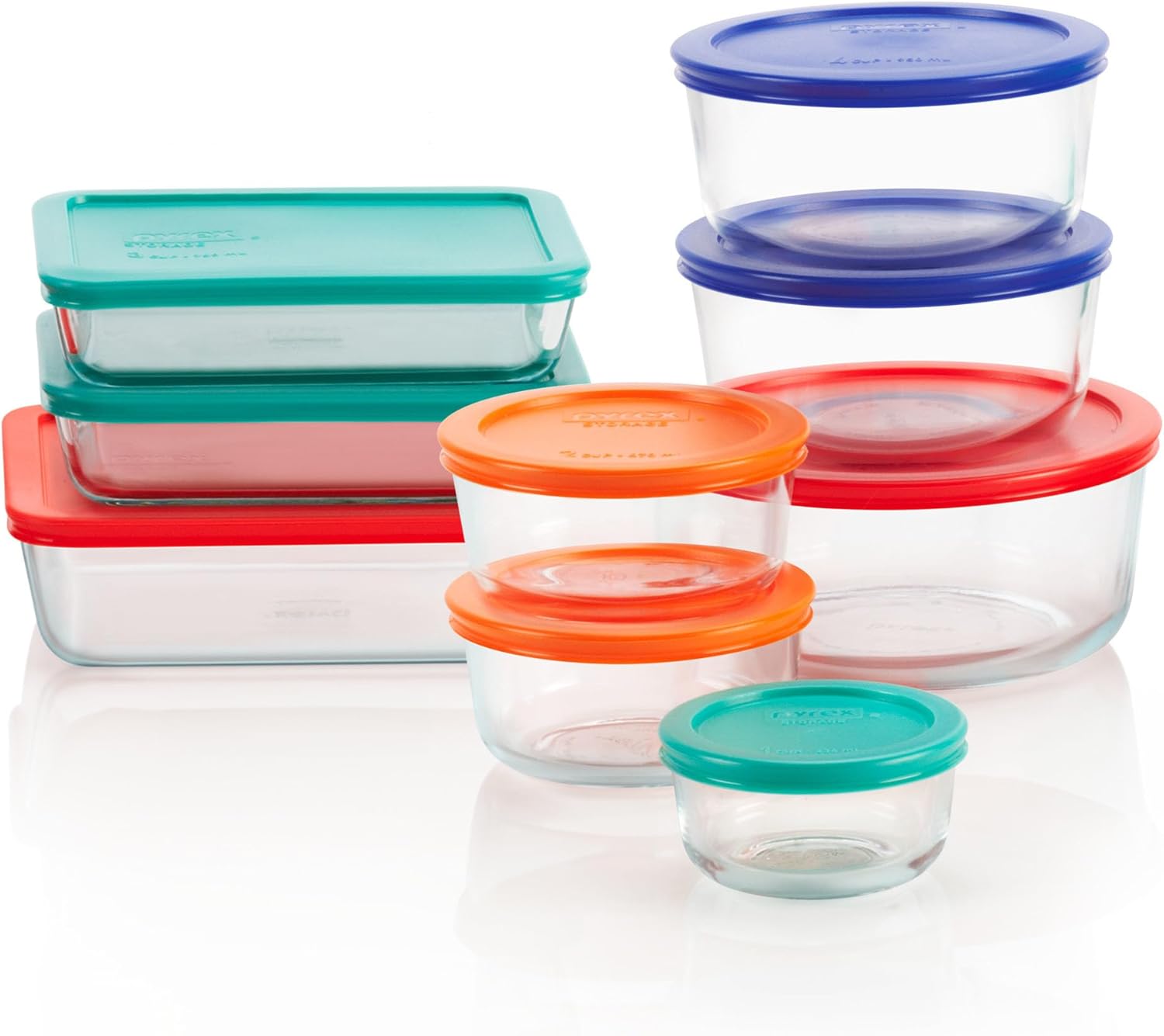
Glass is king. It doesn't leach anything, it's microwave-safe (check for metal trim), it lasts basically forever, and food actually looks better stored in it. I switched about two years ago and haven't looked back.
My picks:
- Pyrex Simply Store Set – Check price on Amazon
- IKEA 365+ Glass Containers – great budget option with bamboo or plastic lids.
- FineDine 24-Piece Glass Storage Set – if you want to do a full kitchen swap at once.
Ceramic
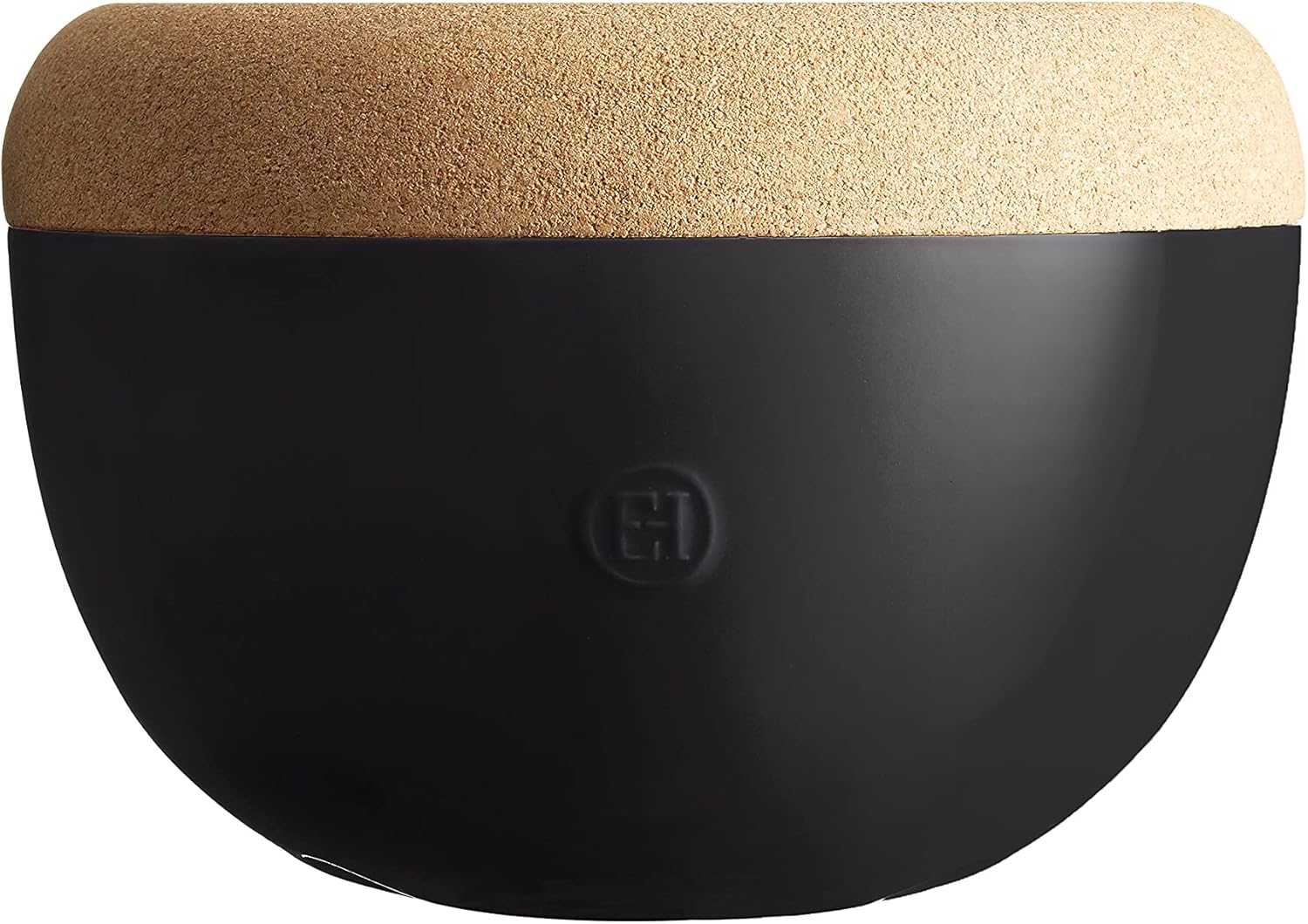
Plain ceramic plates and bowls (without metallic glazes or trim) work perfectly in the microwave. You probably already own several. Covering food with a ceramic plate instead of plastic wrap is the easiest switch you can make.
Worth checking out:
- Emile Henry Ceramic Storage Bowls – Check price on Amazon
Silicone Lids and Covers
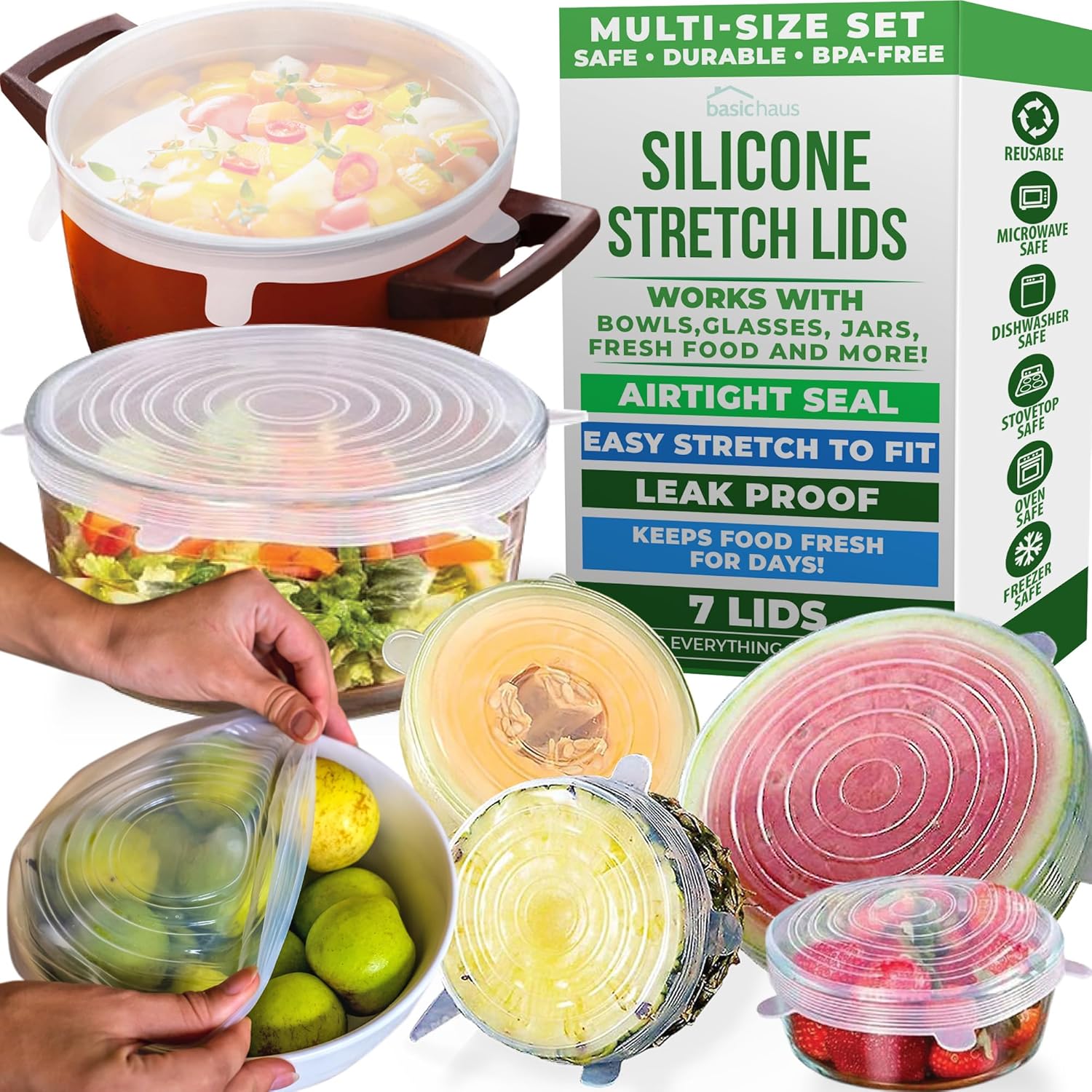
Instead of plastic wrap or those plastic microwave covers, silicone lids are reusable, flexible, and don't leach harmful chemicals at cooking temperatures. Food-grade silicone is made from silica (sand) – it's inert and heat-stable up to about 500°F.
- Silicone Stretch Lids (6-pack) – Check price on Amazon
Stainless Steel (for Storage, Not Microwaving)
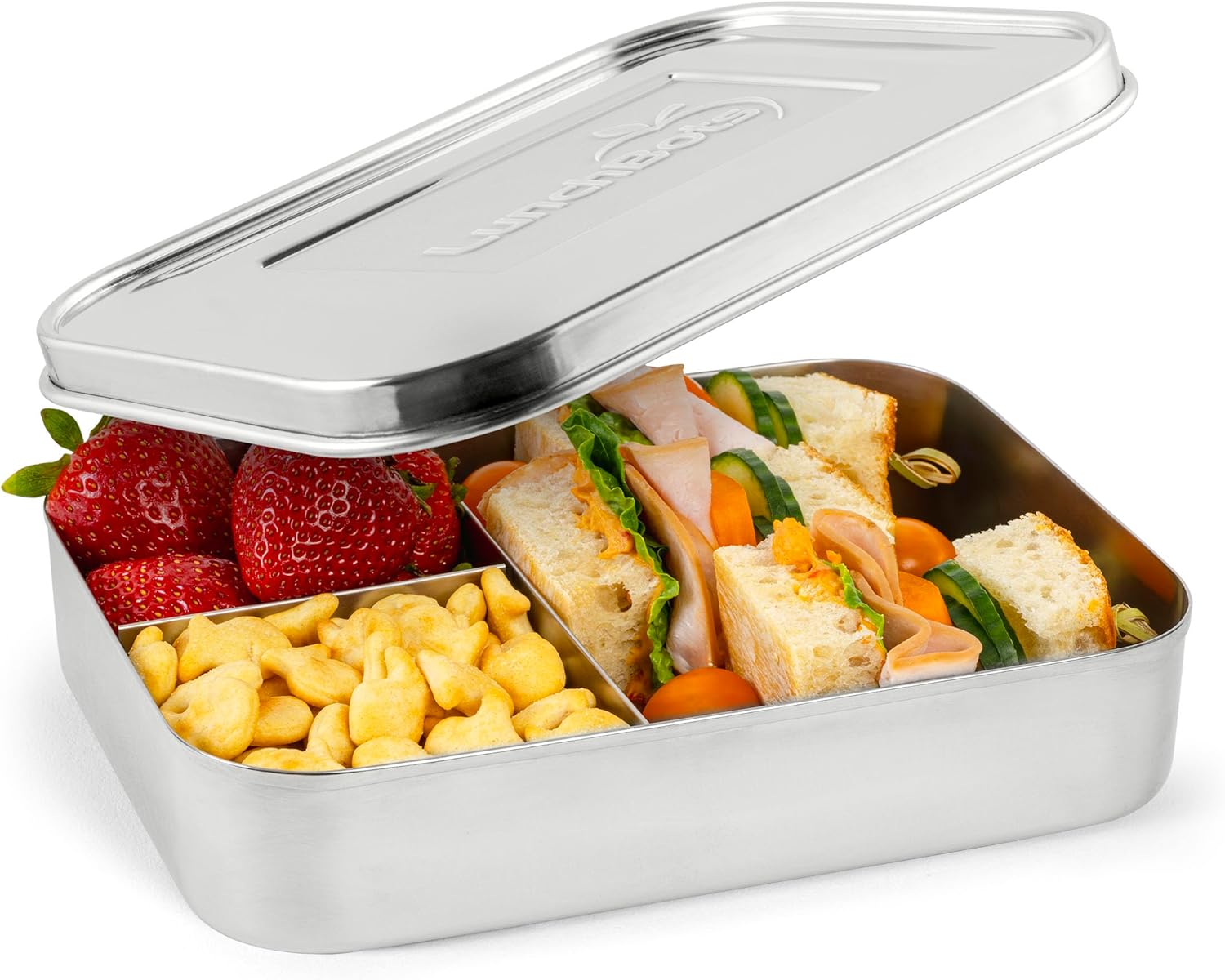
Stainless steel is great for packing lunches and storing food, but don't put it in the microwave (it's metal, it'll spark). If you meal-prep in stainless containers, just transfer to a glass or ceramic dish for reheating.
- LunchBots Stainless Steel Containers – Check price on Amazon
Beeswax Wraps (for Covering, Not Microwaving)
Beeswax wraps replace plastic wrap for covering and storing food in the fridge. They're not microwave-safe (the wax melts), but they eliminate one more source of plastic-food contact.
- Bee's Wrap Assorted 3-Pack
10 Practical Tips for Reducing Microplastic Exposure
Let's keep this actionable. You don't have to overhaul your kitchen overnight. Start with the changes that give you the biggest return:
-
Stop microwaving in plastic. Full stop. Transfer food to a glass or ceramic dish first. Takes 10 seconds. This is the single highest-impact change you can make.
-
Ditch plastic wrap in the microwave. Cover food with a plate, damp paper towel, or silicone lid instead.
-
Don't microwave Styrofoam. Seriously. Not even "just this once."
-
Let food cool before putting it in plastic containers. If you're storing leftovers in plastic (no judgment – transitions take time), at least let the food cool to room temperature first. Heat accelerates leaching.
-
Avoid putting fatty or acidic foods in plastic. Cheese, tomato sauce, curry, oily dressings – these foods pull more chemicals from plastic. Store them in glass.
-
Hand-wash plastic containers. Dishwasher heat degrades plastic faster, increasing microplastic shedding over time. Better yet, replace worn containers with glass ones as they wear out.
-
Replace scratched and stained plastic containers. Degraded plastic releases more particles. If it's cloudy, scratched, or warped, it's time for it to go.
-
Use the recycling number as a guide. If you must use plastic, #2, #4, and #5 are generally considered the least problematic. Avoid #3, #6, and #7.
-
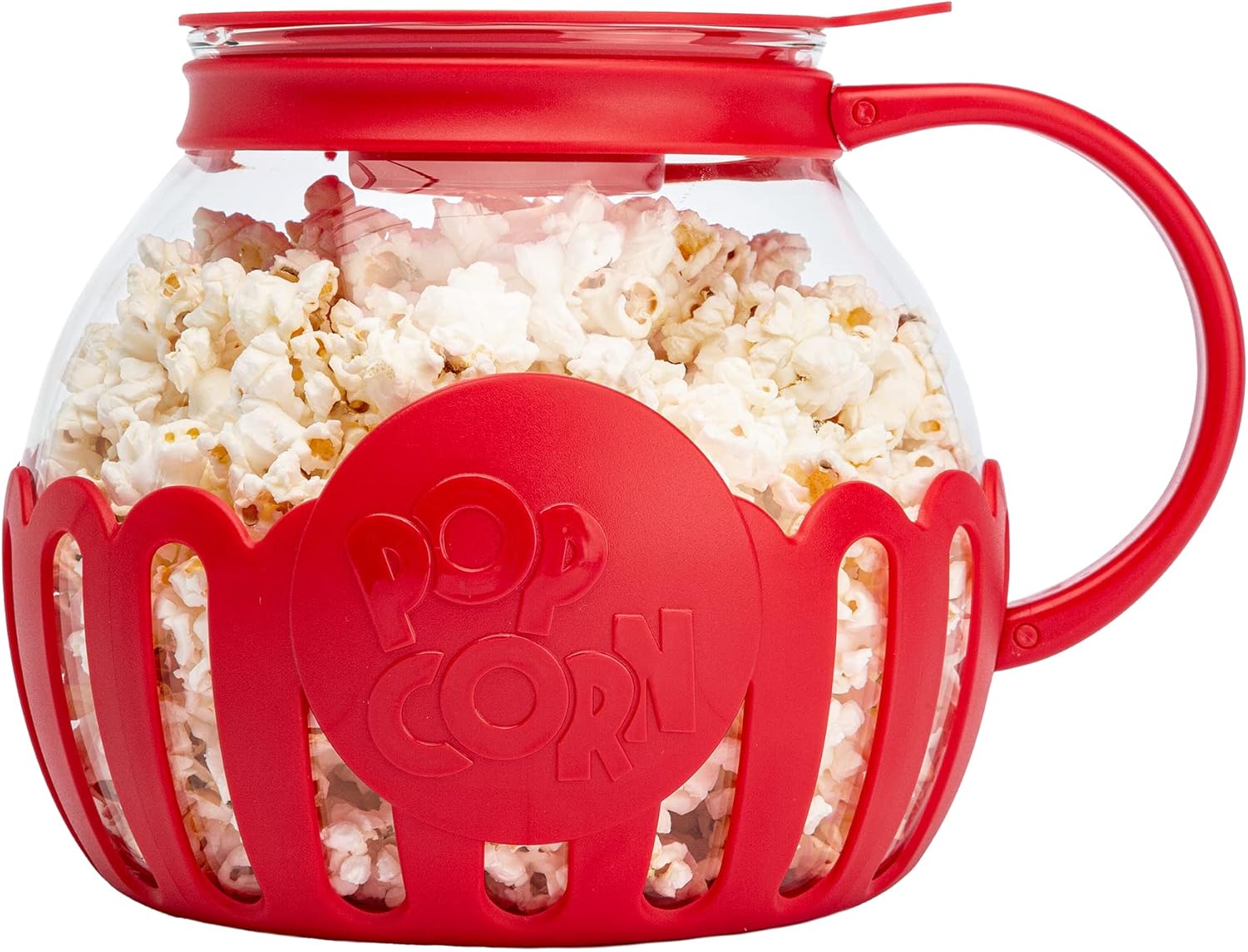
Skip the microwave popcorn bags. Many contain PFAS in the lining. Use a glass microwave popcorn popper or make it on the stove instead.
-
Make the switch gradual. You don't need to throw out every plastic container today. Replace them one at a time as they wear out. Start with the ones you microwave most.
"But the FDA Says It's Safe…"
Fair point. The FDA does approve certain plastics for microwave use. But it's worth understanding what that actually means.
FDA testing protocols for "microwave-safe" plastics were designed decades ago, before we understood microplastics and nanoplastics the way we do now. The tests primarily look at chemical migration of known substances at specific temperatures – they don't account for cumulative exposure, micro/nanoplastic particle release, mixture effects, or low-dose endocrine disruption.
The FDA is not in the habit of getting out ahead of the science. BPA was used freely in baby bottles for years before public pressure (not FDA action) led to voluntary phase-outs. Regulatory bodies tend to move slowly. Peer-reviewed research moves faster.
That doesn't mean every plastic container is going to give you cancer tomorrow. It means the safety standards haven't caught up with the science, and you're better off making informed choices for yourself rather than waiting for a label to protect you.
Can I microwave plastic?
No. "Microwave-safe" means the tub will not melt or warp. It does not mean plastic stays out of the food. The 2023 University of Nebraska-Lincoln study found billions of nanoplastics per square centimeter when plastic containers were microwaved. Heat leftovers in glass. Park the plastic lid. If you want containers that can go in the microwave with the lid on, that is the glass storage roundup (glass lid, not a plastic snap lid).
The Bottom Line
Is microwaving plastic safe? Based on the current body of research – no, not really. Even "microwave-safe" plastics release micro and nanoplastics into your food. Those particles accumulate in your blood, organs, and tissues. The chemicals they carry are linked to hormone disruption, cardiovascular disease, inflammation, and other health problems we're only beginning to understand.
The good news? This is one of the easiest health upgrades you can make. A set of glass containers costs less than a mediocre dinner out, and the switch takes zero learning curve. You already know how to put food in a bowl.
You don't have to be perfect. You don't have to go zero-waste overnight. But moving your food from plastic to glass before you hit "reheat" is a small change with genuinely meaningful health implications.
Your future self will thank you.
Ready to make the switch? There is no single magic kit. Start with glass and stainless food storage for leftovers, and silicone bags if you still want something that zips. If the plastic is the kettle, not the container, see plastic-free electric kettles.
Have questions about microwaving plastic or want to share your own experience going plastic-free? Drop a comment below – we read every one.
This article is for informational purposes only and does not constitute medical advice. Consult a healthcare professional for personal health decisions.