Best Beeswax Wraps in 2026: Ditch Plastic Wrap for Good
Americans go through about 2 billion feet of plastic cling wrap per year. That is enough to circle the Earth roughly 15 times. Every inch of it is single-use, non-recyclable, and made from polyvinyl chloride (PVC) or low-density polyethylene (LDPE). Once you toss it, it is headed for a landfill where it will sit for centuries, slowly breaking down into microplastics.
Beeswax wraps offer a simple, effective alternative. They do everything plastic wrap does for most kitchen tasks, they last up to a year with proper care, and they are fully compostable when they wear out. If you have been curious about making the switch, this guide covers everything you need to know.
How Beeswax Wraps Work
Beeswax wraps are sheets of cotton fabric (usually organic) coated in a mixture of beeswax, tree resin, and jojoba oil. The beeswax makes the wrap slightly sticky and moldable. The resin (typically pine or damar resin) adds tackiness and helps the wrap cling to itself and to bowls, plates, and food. The jojoba oil keeps the wrap flexible and adds mild antibacterial properties.
When you hold a beeswax wrap in your hands, your body heat softens the wax coating, making it pliable. You press it around a bowl, over a cut piece of fruit, or around a sandwich, and it holds its shape. When it cools to room temperature, it firms up and maintains the seal.
The result is a breathable, slightly tacky food covering that keeps food fresh without the airtight suffocation of plastic wrap. In fact, the breathability is a feature, not a bug. Cheese, bread, produce, and herbs often stay fresh longer in beeswax wraps than in plastic because they are not trapped in moisture that accelerates mold growth.
What Beeswax Wraps Work Best For
- Covering bowls and plates (in place of plastic wrap)
- Wrapping cheese (beeswax wraps are phenomenal for cheese)
- Wrapping sandwiches and snacks
- Covering cut fruits and vegetables (half an avocado, cut lemon, melon)
- Wrapping bread and baked goods
- Covering rising dough
- Wrapping herbs to keep them fresh
What Beeswax Wraps Do NOT Work For
- Raw meat, poultry, or fish (the wraps cannot be washed in hot water, so you cannot sanitize them after contact with raw animal products)
- Anything that requires a fully airtight seal
- Microwave use (the wax will melt)
- Very hot foods or liquids (let food cool first)
- Dishwasher cleaning
The Science Behind the Switch
Beyond the environmental benefits, there is a health angle worth considering. A 2019 study in Environmental Research found that PVC-based plastic wraps can transfer phthalates, particularly DEHP, into foods – especially fatty foods like cheese and meat. DEHP is a known endocrine disruptor linked to reproductive and developmental issues.
Even LDPE-based cling wraps (the more common type in the U.S. today) are not free from concern. Research published in Food Additives and Contaminants found that LDPE films can migrate chemical compounds into food, particularly when exposed to heat or fatty foods.
Beeswax, by contrast, has been used as a food preservation material for thousands of years. Ancient Egyptians used beeswax to coat and preserve food. Modern food-grade beeswax is recognized as safe (GRAS) by the FDA. Tree resins and jojoba oil are similarly well-established as safe for food contact.
Best Beeswax Wraps in 2026
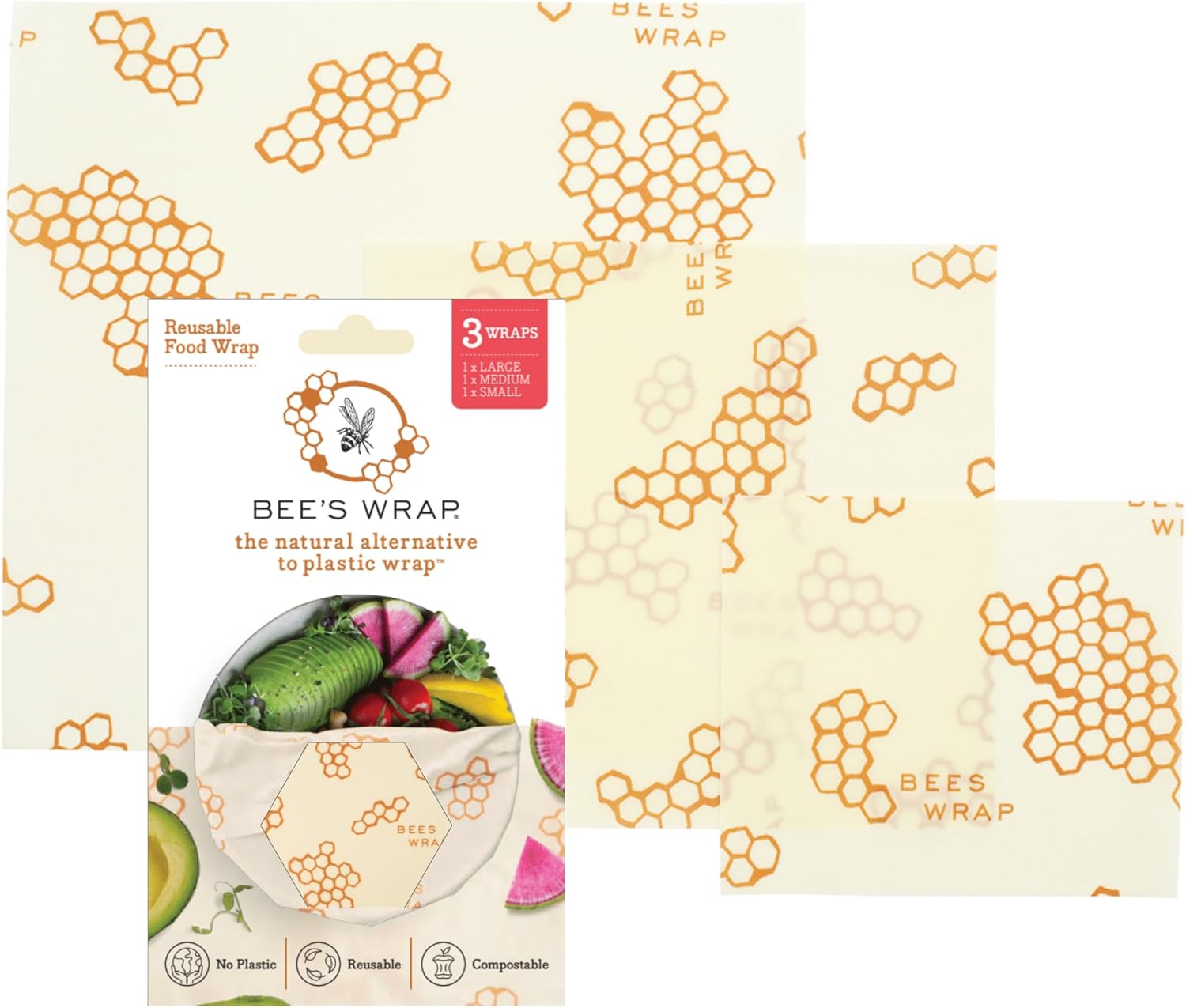
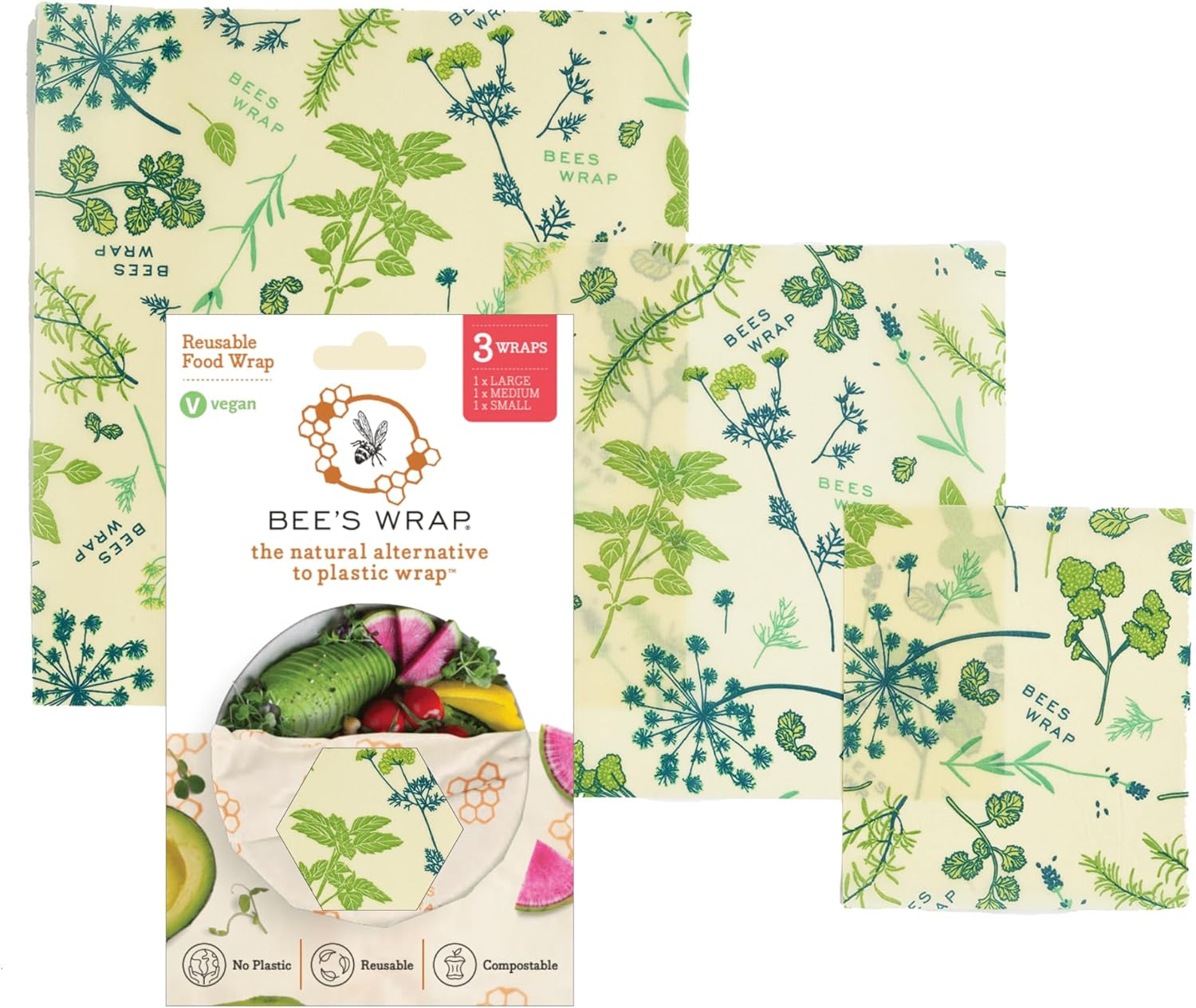
Best Overall: Bee's Wrap
Bee's Wrap is the brand that essentially launched the beeswax wrap movement, and they remain the standard by which other wraps are measured. Founded in Vermont in 2012, the company uses GOTS-certified organic cotton coated with sustainably sourced beeswax, organic jojoba oil, and tree resin.
What we like:
- Excellent cling and moldability
- Consistent quality batch to batch
- Wide range of sizes (small, medium, large, bread wrap, variety packs)
- Certified B Corporation
- Wraps last 8-12 months with regular use
- Beautiful patterns that make them enjoyable to use
What could be better:
- Slightly higher price than newer competitors
- The cling can decrease after a few months of heavy use
Best for: People who want a reliable, proven product from an established brand with strong ethical practices.
Best Cling: Abeego Beeswax Wrap
Abeego was actually one of the first beeswax wrap brands, started in Canada in 2008. Their wraps have a reputation for exceptional cling – many users find they stick better than Bee's Wrap, especially when new. Abeego attributes this to their specific wax-to-resin ratio, which they have refined over more than 15 years.
What we like:
- Superior cling, especially on bowls and jars
- Thick, sturdy feel
- Natural, unbleached hemp and cotton fabric
- Available in large sheets for maximum versatility
- Company has been refining the formula since 2008
What could be better:
- Fewer size options than Bee's Wrap
- Less variety in patterns and designs
- Slightly stiffer when cold (needs more warming in your hands)
Best for: People who prioritize cling and sealing ability above all else.
Best Eco-Friendly: Etee Organic Beeswax Wraps
Etee (short for "Everything Touches Everything Else") takes the eco angle further than most competitors. Their wraps are made with organic beeswax, organic coconut oil, and sustainably harvested tree resin on organic cotton. The packaging is plastic-free, and the company is carbon neutral.
What we like:
- Strong emphasis on organic and sustainable sourcing
- Plastic-free packaging
- Good cling and durability
- Carbon neutral company
- Also offers a subscription model for regular replacements
- Vegan option available (soy wax version)
What could be better:
- Slightly less cling than Abeego
- Can feel a bit waxy when new (this mellows with use)
Best for: Eco-conscious shoppers who want the full package – organic materials, sustainable practices, and plastic-free packaging.
Best Value: Savourio Beeswax Wraps Variety Pack
If you want to try beeswax wraps without committing to a premium brand, Savourio offers solid wraps at a significantly lower price. You get multiple wraps in different sizes, and the quality is respectable for the price point. They use a standard beeswax, jojoba oil, and tree resin formula on cotton fabric.
What we like:
- Very affordable entry point
- Variety pack with multiple sizes
- Decent cling for the price
- Good option for trying beeswax wraps for the first time
What could be better:
- Cling is not as strong as premium brands
- May not last as long (6-8 months vs 10-12 months for premium)
- Cotton is not certified organic
- Less consistency between batches
Best for: First-timers who want to test the concept before investing in a premium brand.
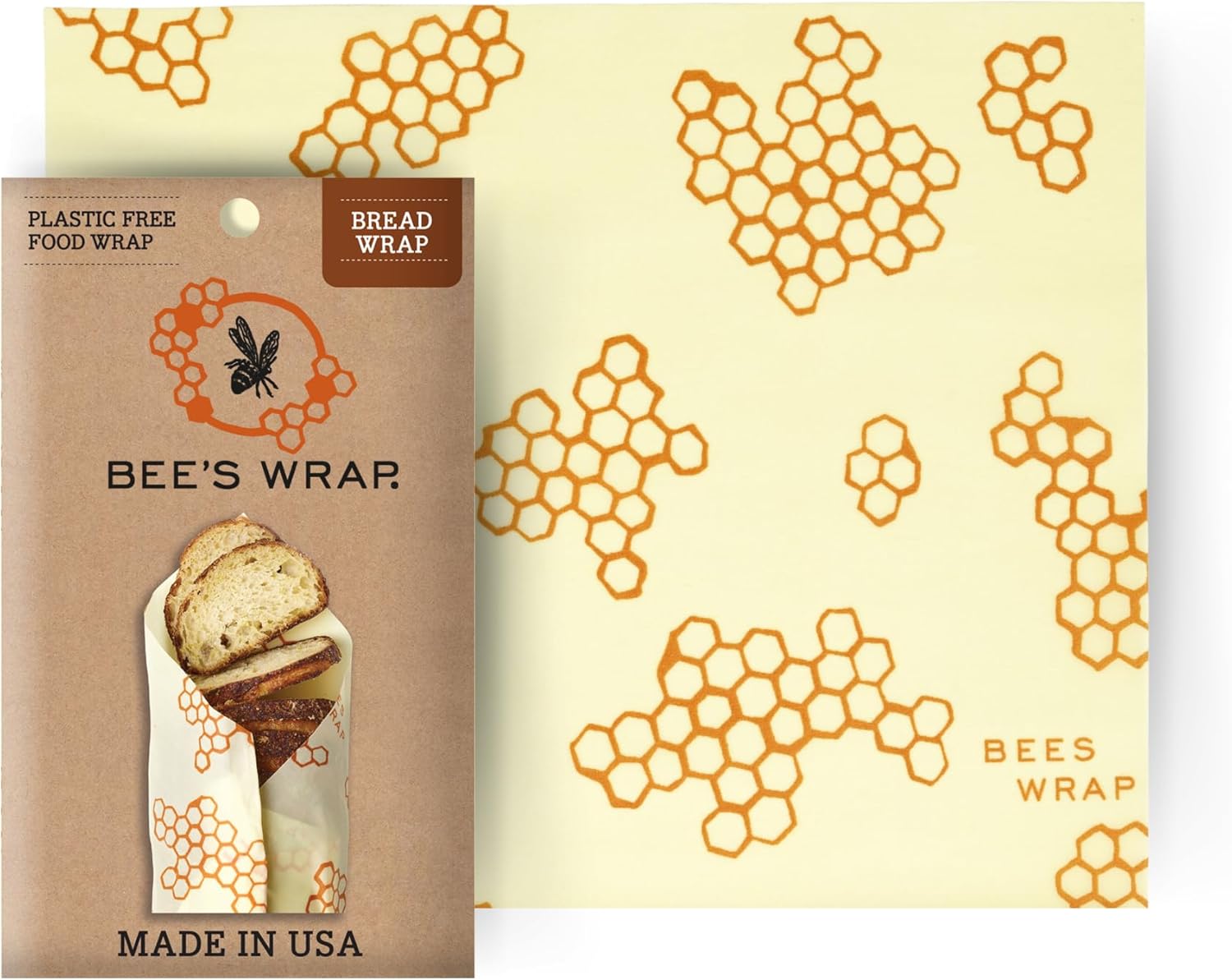
Best for Large Items: Bee's Wrap Bread Wrap
Most beeswax wrap sets include small and medium sizes, but if you need to wrap bread loaves, large bowls, or bigger items, you need a dedicated large wrap. Bee's Wrap offers an extra-large bread wrap (21" x 13") that is sized specifically for standard loaves.
What we like:
- Extra-large size for bread and big items
- Same quality as their standard wraps
- Keeps bread fresh without plastic bags
- Can double as a placemat or food cover for parties
What could be better:
- Only one size in the pack
- Premium pricing for a single wrap
Vegan Alternatives: Plant-Based Wax Wraps
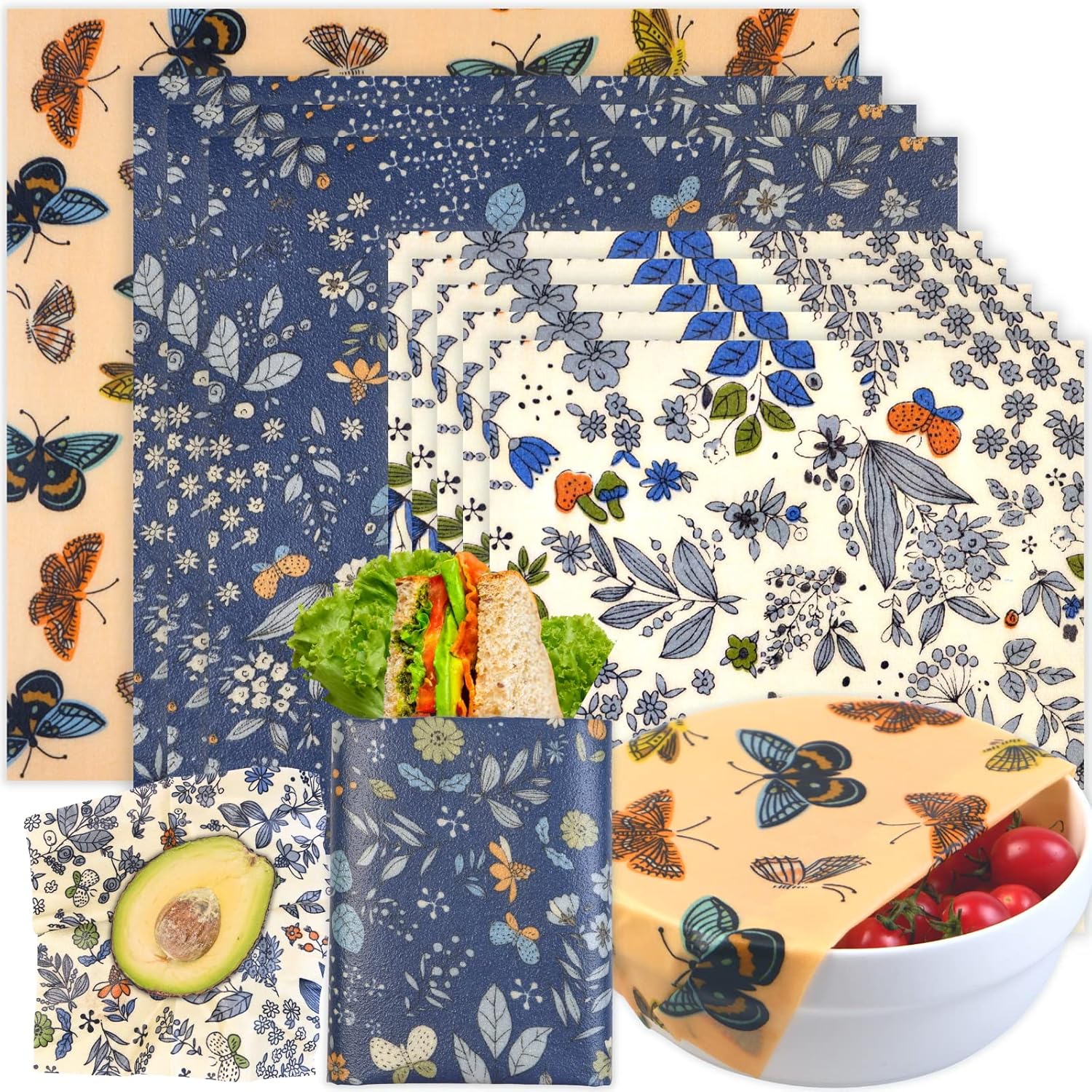
Not everyone wants to use beeswax, whether for ethical reasons (beeswax is an animal product) or allergy concerns. Fortunately, several brands now offer plant-based wax wraps that perform similarly.
How Plant Wax Wraps Compare
Plant-based wraps typically use soy wax, candelilla wax, or a blend of plant waxes in place of beeswax. The cling and performance are very close to beeswax wraps, though some users find plant wax wraps are slightly less tacky initially and may need more hand-warming to get a good seal.
The longevity is comparable – expect 6-12 months depending on the brand and how often you use and wash them.
Best Vegan Wrap: Etee Plant-Based Wraps
Etee offers a vegan version of their wraps that uses soy wax and plant-based oils instead of beeswax. The performance is nearly identical to their beeswax version, and the same eco-friendly practices apply.
- Soy wax based
- Organic cotton fabric
- Plastic-free packaging
- Carbon neutral
- Compostable at end of life
Best Budget Vegan: Treekind Plant-Based Wraps
Treekind makes affordable vegan wraps using a soy and candelilla wax blend. They are a good option if you want to try vegan wraps without a big investment.
- Soy and candelilla wax blend
- Affordable price point
- Multiple sizes included
- Fully compostable
How to Use Beeswax Wraps (Tips for Best Results)
If you have never used beeswax wraps before, here are some tips to get the most out of them.
Warm them up first. This is the single most important tip. Hold the wrap in your hands for 10-15 seconds before applying it. Your body heat softens the wax and activates the tackiness. A cold wrap straight from the drawer will feel stiff and will not cling well.
Use the warmth of your hands to seal. After wrapping a bowl or piece of food, press your hands around the wrap for a few seconds. This creates a seal as the wax warms, molds to the surface, and then cools in place.
Do not fight it. Beeswax wraps are not plastic wrap. They do not stretch. If the wrap is not big enough, use a bigger size. Trying to force a small wrap around a large item will crack the wax coating.
Fold, do not stretch, for sandwiches. When wrapping sandwiches, fold the wrap around the food like an envelope rather than trying to stretch it taut. The folds create natural seals where the wax surfaces meet.
Keep them away from heat. Do not use beeswax wraps near hot stoves, in the oven, or in the microwave. Hot water will melt the wax coating. Let hot foods cool to room temperature before wrapping.
How to Clean and Care for Beeswax Wraps
Proper care is the difference between wraps that last 3 months and wraps that last a year. Here is how to keep them in good shape.
Washing:
- Use cool to lukewarm water only (never hot)
- Apply a small amount of mild dish soap
- Gently wipe with a soft cloth or sponge
- Rinse with cool water
- Air dry by hanging or propping on a dish rack
- Never use the dishwasher
Storage:
- Store flat in a drawer or loosely rolled
- Keep away from direct sunlight and heat sources
- A cool, dry drawer is ideal
- Some people keep them in a basket on the counter for easy access
Refreshing old wraps:
When wraps start losing their cling (usually after 6-8 months), you can refresh them. Place the wrap on a baking sheet lined with parchment paper, grate a small amount of beeswax over the surface, and place in a 150F oven for 2-3 minutes until the wax melts and absorbs into the fabric. Remove, let cool, and the wrap is good as new.
You can also buy beeswax wrap refresher bars from most wrap brands, which include the right mix of beeswax, resin, and oil.
Composting at end of life:
When your wraps are truly worn out (the wax is cracked and flaking, the fabric is thinning), cut them into strips and add them to your compost pile. The cotton, beeswax, resin, and jojoba oil are all biodegradable. They also make excellent fire starters for camping or fireplaces.
How Long Do Beeswax Wraps Last?
With proper care, most quality beeswax wraps last 8-12 months of regular use. "Regular use" means using them daily, washing them a few times a week, and storing them properly.
Factors that shorten lifespan:
- Washing in hot water
- Exposing to heat sources
- Folding the same crease lines repeatedly (causes cracking)
- Using with very acidic foods (citrus, tomatoes) frequently
- Leaving in direct sunlight
Factors that extend lifespan:
- Gentle hand washing in cool water
- Rotating between multiple wraps so no single wrap gets daily abuse
- Refreshing with beeswax when cling decreases
- Storing flat or loosely rolled
Some users report getting 18 months or more from premium brands like Abeego and Bee's Wrap, especially if they rotate through a larger set.
Cost Comparison: Beeswax Wraps vs Plastic Wrap
A standard roll of plastic cling wrap costs about $3-5 and lasts the average household about 2 months. That is roughly $18-30 per year on plastic wrap.
A good set of beeswax wraps (variety pack with 3-5 wraps) costs $15-25 and lasts about a year. So the annual cost is comparable, and in some cases beeswax wraps are actually cheaper.
Over 5 years:
- Plastic wrap: $90-150, plus hundreds of feet of non-recyclable waste
- Beeswax wraps: $75-125, fully compostable at end of life
The math works. You are not paying a premium for sustainability here – you are paying about the same or less while generating dramatically less waste.
DIY Beeswax Wraps: Make Your Own
If you are crafty (or frugal), making your own beeswax wraps is straightforward. Here is the basic process:
You will need:
- Cotton fabric (organic, tightly woven like quilting cotton)
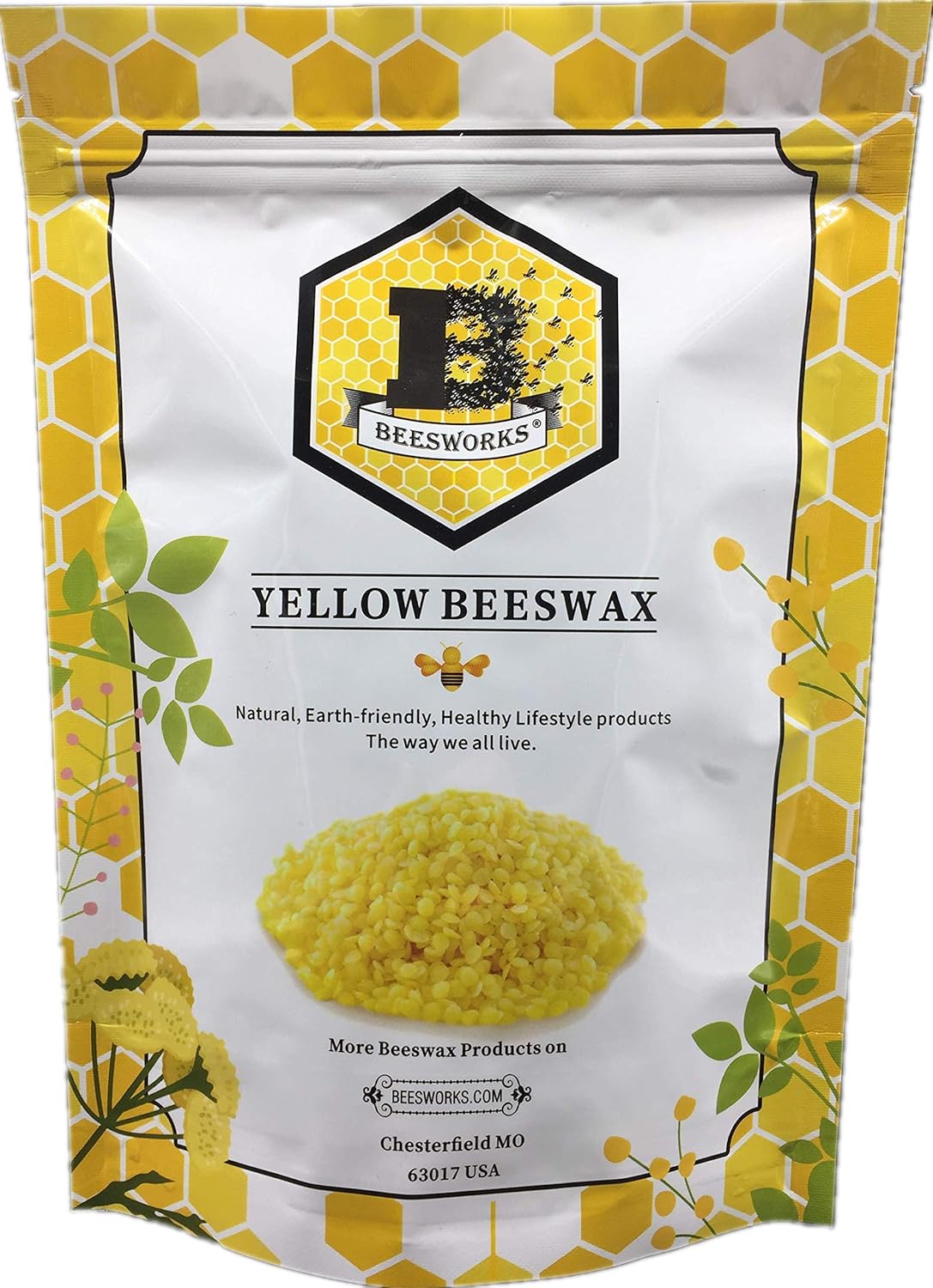
- Beeswax pellets or grated beeswax
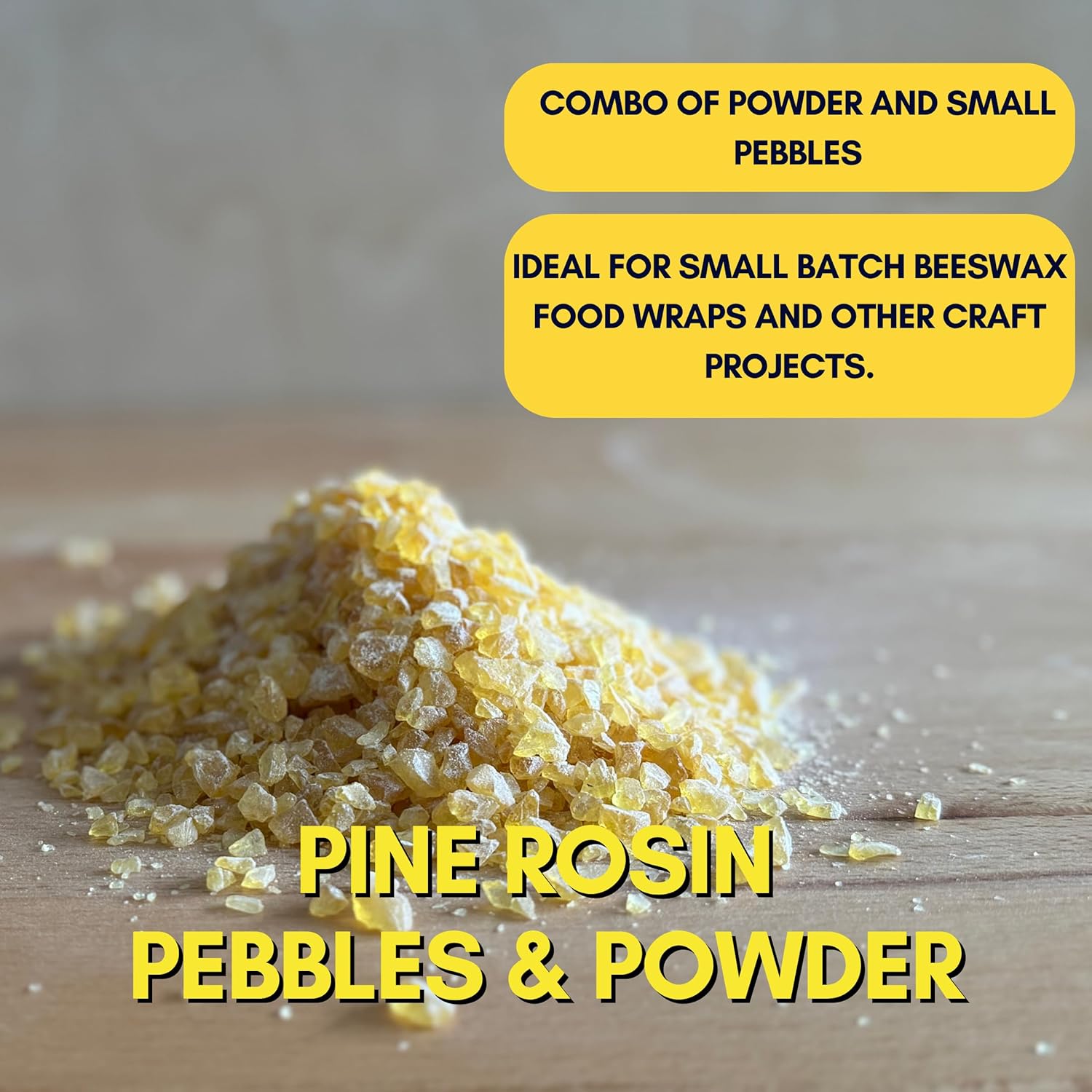
- Pine resin (also called colophony or rosin)
- Jojoba oil
- Parchment paper
- A baking sheet
- An old paintbrush or a dedicated spreading tool
The ratio:
A commonly used ratio is 4 parts beeswax, 1 part pine resin, 1 part jojoba oil (by weight). Some recipes skip the resin, but wraps without resin will be less tacky and will not cling as well.
The process:
- Preheat oven to 185F (85C)
- Cut cotton fabric to desired sizes using pinking shears (the zigzag edge prevents fraying)
- Melt the beeswax, pine resin, and jojoba oil together in a double boiler
- Place fabric on a parchment-lined baking sheet
- Brush or drizzle the wax mixture over the fabric
- Place in oven for 2-3 minutes until the wax fully saturates the fabric
- Remove and let cool (you can hang them or wave them in the air)
- The wrap is ready to use once cool
Cost of DIY:
A pound of beeswax pellets costs about $10-15 and makes roughly 10-15 wraps. Add a few dollars for pine resin and jojoba oil, and you are looking at about $1-2 per wrap. That is significantly cheaper than buying pre-made wraps.
Frequently Asked Questions
Are beeswax wraps food safe?
Yes. Food-grade beeswax is FDA GRAS (Generally Recognized as Safe). Tree resin and jojoba oil are also considered safe for food contact. However, people with bee allergies should test a small area first or opt for vegan alternatives.
Do beeswax wraps keep food fresh?
Yes, and sometimes better than plastic. The breathability of beeswax wraps prevents moisture buildup, which is why cheese and bread in particular stay fresh longer compared to plastic wrap. For items that need true airtight storage (like liquids or strong-smelling leftovers), a glass container with a lid is still the better choice.
Can I use beeswax wraps on hot food?
Let food cool to room temperature first. Placing wraps on hot food or containers will melt the wax coating.
Why do my new wraps smell weird?
Fresh beeswax wraps have a distinct waxy, slightly piney smell from the beeswax and tree resin. This is completely normal and fades over time. If the smell is very strong or chemical, that may indicate low-quality ingredients – stick with reputable brands.
Can I take beeswax wraps through airport security?
Yes. They are just wax-coated fabric and do not trigger any issues at security checkpoints. They are great for travel.
The Bottom Line
Beeswax wraps are one of the most satisfying plastic-free swaps you can make. They are effective, affordable, compostable, and genuinely pleasant to use. Once you get the hang of warming them in your hands, they become second nature.
For most people, we recommend starting with a Bee's Wrap variety pack for general use or Abeego if maximum cling is your priority. If you are vegan, Etee's plant-based wraps are excellent. And if you just want to test the waters cheaply, Savourio gives you a low-risk entry point.
Your grandparents did not have plastic wrap, and they kept food fresh just fine. Beeswax wraps are a modern take on that same common-sense approach – keeping things simple, natural, and waste-free.
Last updated: February 2026. Product availability and prices may vary.