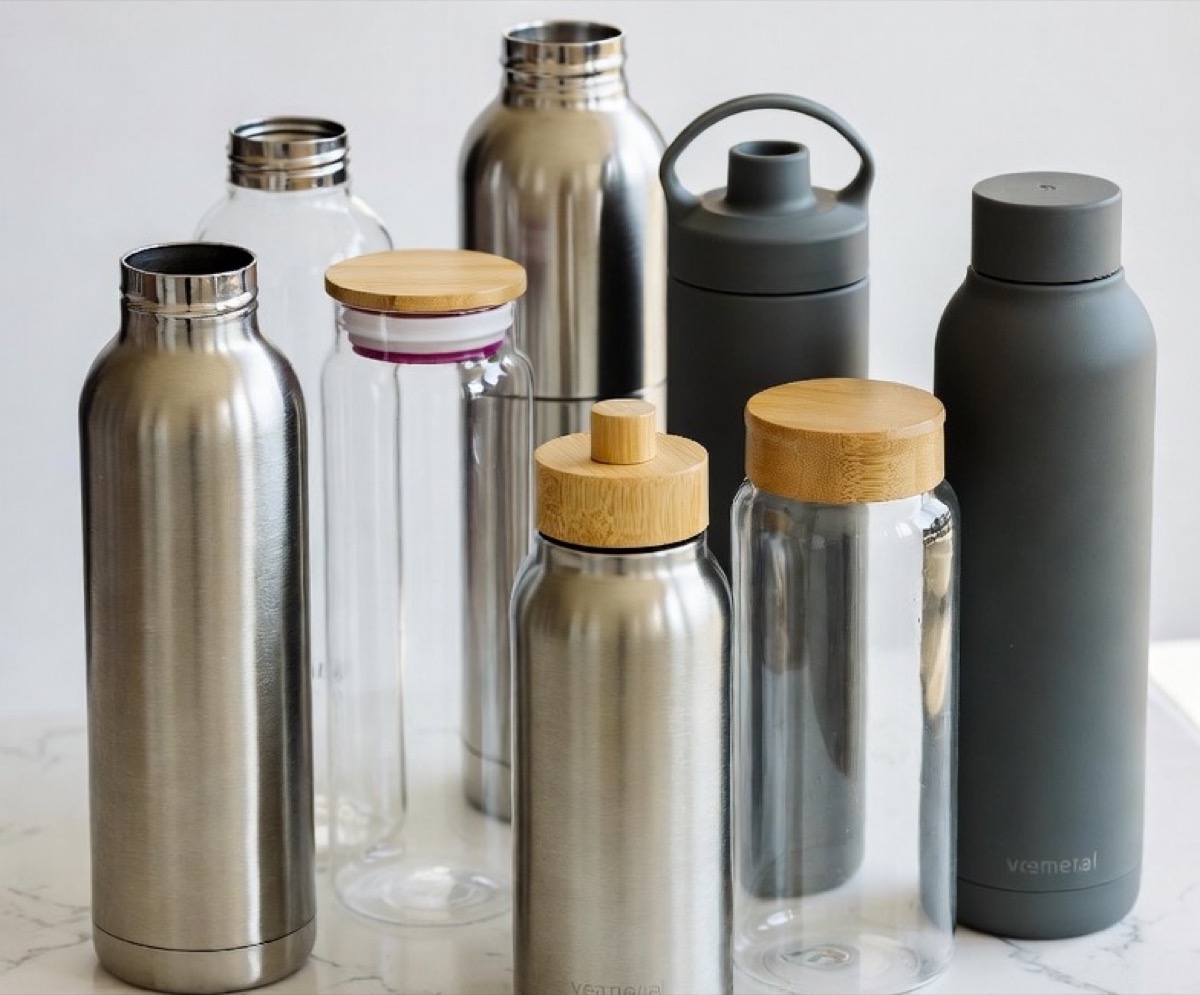
Last updated: February 2, 2026 · Written by the No Plastic Living team
I'm going to be honest with you: I used to be a disposable plastic water bottle person. Cases of Kirkland water from Costco, stacked in the garage like some kind of hydration bunker. It was convenient. It was cheap. And it was slowly filling my body with microplastics.
That last part isn't hyperbole. A 2024 study from Columbia University found that a single liter of bottled water contains roughly 240,000 detectable plastic fragments – about 100 times more than previously estimated. We're talking nanoplastics small enough to cross the blood-brain barrier. Let that sink in while you take a sip from that Dasani.
So yeah, I switched. And over the past 14 months, our team has been testing the best reusable water bottles on the market to find the ones actually worth your money. We hiked with them, commuted with them, left them in hot cars (sometimes on purpose, sometimes not), dropped them on concrete, and put them through the dishwasher more times than I can count.
Here's what survived – and what's worth buying in 2026.
Why Ditch Plastic Water Bottles? (It's Not Just About the Turtles)
Look, you already know single-use plastic is bad for the planet. I'm not going to lecture you about sea turtles. Instead, let's talk about something more selfish: your health.
Microplastics Are Everywhere – Especially in Plastic Bottles
Every time you drink from a disposable plastic bottle, you're ingesting tiny plastic particles. Heat makes it worse. That bottle sitting in your car on a summer day? It's basically brewing a microplastic tea. Studies have now linked microplastic exposure to:
- Hormonal disruption (even in "BPA-free" plastics – more on that in a second)
- Increased inflammation markers
- Potential impacts on fertility and reproductive health
- Liver and kidney stress
The BPA-Free Lie
Here's something that genuinely frustrates me. When the public caught on to BPA (bisphenol A) being harmful, manufacturers swapped it out for BPS and BPF – chemicals that early research suggests are just as problematic. That "BPA free water bottle" label on cheap plastic? It's marketing comfort, not a health guarantee.
The safest move is switching to materials that don’t leach chemicals at all: stainless steel, glass, or food-grade silicone.
What to Look for in a Reusable Water Bottle
Before I get into our picks, here's what actually matters when you're shopping:
Material
- Stainless steel – The gold standard. Durable, doesn't leach, keeps drinks hot or cold. Look for 18/8 food-grade stainless steel. This is your best stainless steel water bottle option for everyday use.
- Glass – Completely inert. Zero chemical leaching. Fragile, obviously, but many now come with silicone sleeves. A solid glass water bottle is unbeatable for taste purity.
- Tritan plastic – BPA-free and more durable than glass. Not perfect, but leagues better than single-use PET plastic.
Insulation
Double-wall vacuum insulation keeps cold drinks cold for 24+ hours and hot drinks hot for 12+. Worth it if you're outdoors a lot or hate lukewarm water (same).
Lid Design
This sounds trivial until you're trying to drink while driving or your kid spills 16 ounces of water into their backpack. Straw lids, flip tops, and chug caps all have their place.
Size & Weight
A 32 oz bottle is great for desk warriors. For hiking, you want capacity without bulk. For kids, 14-18 oz is the sweet spot.
Ease of Cleaning
Wide mouths are easier to clean. Narrow mouths are easier to drink from. Some bottles thread this needle better than others.
Our Top 12 Picks: Best Reusable Water Bottles in 2026
We organized these by category so you can skip straight to what matters to you.
Best Overall: Hydro Flask Standard Mouth (21 oz)

Price: $35-$45 · Material: 18/8 stainless steel ·
Note: Stainless steel body, but Flex Straw Lid contains BPA-free plastic components.
The Hydro Flask is the Honda Civic of reusable water bottles – reliable, well-built, does everything well, nothing flashy. I've had my 21 oz Standard Mouth for three years now and the only sign of wear is a small dent from when I dropped it getting out of my car.
Pros:
- TempShield double-wall insulation keeps ice for 24 hours (tested – it genuinely does)
- Powder-coated exterior doesn't sweat or slip
- Tons of lid options (straw, sport, wide mouth)
- Lifetime warranty
Cons:
- Heavier than non-insulated options (about 13 oz empty)
- Color coating chips over time with heavy use
- Not the cheapest option
Our take: If you want one bottle that does it all, this is it. There's a reason it's been a bestseller for years.
Budget Starter: CamelBak Eddy+ (25 oz)

Price: $15-$18 · Material: Tritan Renew (BPA/BPS/BPF-free) ·
⚠️ Note: This bottle has a Tritan plastic body. While BPA-free, it’s still plastic. Consider this a stepping stone to stainless steel or glass – not an endpoint.
Not everyone wants to drop $40+ on a water bottle, and that's completely fair. The CamelBak Eddy+ is proof that affordable doesn't have to mean junky. The bite valve and straw system is genuinely one of the best – you can drink one-handed without tilting, which sounds silly until you're on a Zoom call trying to hydrate discreetly.
Pros:
- Extremely affordable
- Bite valve prevents spills almost completely
- Lightweight (about 6 oz empty)
- Dishwasher safe
- Made with 50% recycled Tritan
Cons:
- No insulation – your water will be room temp in a few hours
- Plastic is still plastic, even if it's better plastic
- Straw mechanism needs regular cleaning to avoid funk
Our take: Best entry point if you're switching from disposables. Upgrade to steel or glass when you're ready, but this is a solid starting line.
Best for Kids: Owala FreeSip (16 oz)

Price: $25-$28 · Material: 18/8 stainless steel ·
Note: Stainless steel body, but lid is Tritan plastic (BPA-free). Straw is silicone.
My niece is seven and refuses to drink water unless it comes from her purple Owala. I'm not even exaggerating. The FreeSip has a dual-drinking option – a built-in straw for sipping and an open spout for chugging – and it's become weirdly popular with the elementary school crowd.
Pros:
- Straw + chug spout in one lid (genius design, honestly)
- Leak-proof when locked – survived the backpack test
- Fits in most cup holders and backpack pockets
- Fun color options that kids actually like
- Double-wall insulated
Cons:
- Lid has multiple parts to clean
- 16 oz might be small for older kids or teens
- The push-button lock can be tricky for very small hands (under age 5)
Our take: The one kids will actually use. And the insulation means their water stays cold through a full school day, which matters more than you'd think.
Best Insulated: Yeti Rambler (26 oz)

Price: $40-$50 · Material: 18/8 stainless steel (kitchen-grade) ·
Note: Stainless steel body, but Straw Cap contains BPA-free plastic components.
The Yeti Rambler is built like a tank. I mean that literally – this thing is absurdly durable. We left one in a truck bed during a July road trip through Arizona and the water inside was still cold six hours later. The double-wall vacuum insulation is no joke.
Pros:
- Best-in-class insulation performance
- Nearly indestructible (we tried)
- No-sweat exterior design
- Dishwasher safe
- DuraCoat color that actually lasts
Cons:
- Heaviest bottle on this list (about 16 oz empty for the 26 oz)
- Premium price tag
- Wide mouth can be splashy without a straw lid (sold separately)
Our take: If you work outdoors, camp regularly, or just hate warm water with a passion, the Yeti is worth every penny. It's overbuilt in the best way.
Best Glass: bkr Glass Water Bottle (16 oz)

Price: $35-$48 · Material: Borosilicate glass with silicone sleeve ·
✓ 100% Plastic-Free: Glass body + silicone sleeve and cap. Zero plastic contact.
There’s a certain purity to drinking from glass. No metallic taste, no plastic smell, nothing between you and clean water. The bkr bottle nails this with a sleek design and a soft silicone sleeve that makes it surprisingly grippy and drop-resistant (within reason – it's still glass).
Pros:
- Zero chemical leaching, period – the cleanest-tasting option
- Beautiful design (it genuinely looks good on a desk)
- Silicone sleeve adds cushion and grip
- Narrow mouth for easy sipping
- Dishwasher safe (remove sleeve first)
Cons:
- It's glass. It can break. I've seen it happen.
- No insulation
- Heavier than plastic alternatives
- 16 oz is on the small side
Our take: The best glass water bottle for anyone who prioritizes taste purity and zero chemical concerns. Keep it at your desk or in a padded bag. Don't take it bouldering.
Best for Hiking: LifeStraw Go (22 oz)

Price: $40-$50 · Material: BPA-free Tritan with integrated LifeStraw filter ·
⚠️ Note: Body is Tritan plastic and filter housing contains plastic. Included for its unique filtration function, not plastic-free status.
This one’s a game-changer for hikers and backpackers. The LifeStraw Go has a built-in hollow fiber membrane filter that removes 99.999% of bacteria and parasites from water. I tested it on a section of the Appalachian Trail last October by filling it directly from a stream. Tasted like… water. Clean water.
Pros:
- Built-in filtration – drink from streams, lakes, and sketchy tap water
- Filter lasts for approximately 1,000 gallons (4,000 liters)
- Lightweight for what it does
- Carbon filter also reduces chlorine taste
- Leak-proof when closed
Cons:
- Filter adds suction resistance – you have to pull harder on the straw
- Not insulated
- Tritan body is still a plastic (albeit a safer one)
- Filter needs replacing eventually (~$15 replacement)
Our take: If you spend time in the backcountry or travel internationally, this is a no-brainer. The filtration alone justifies the price.
More Bottles We Tested and Loved
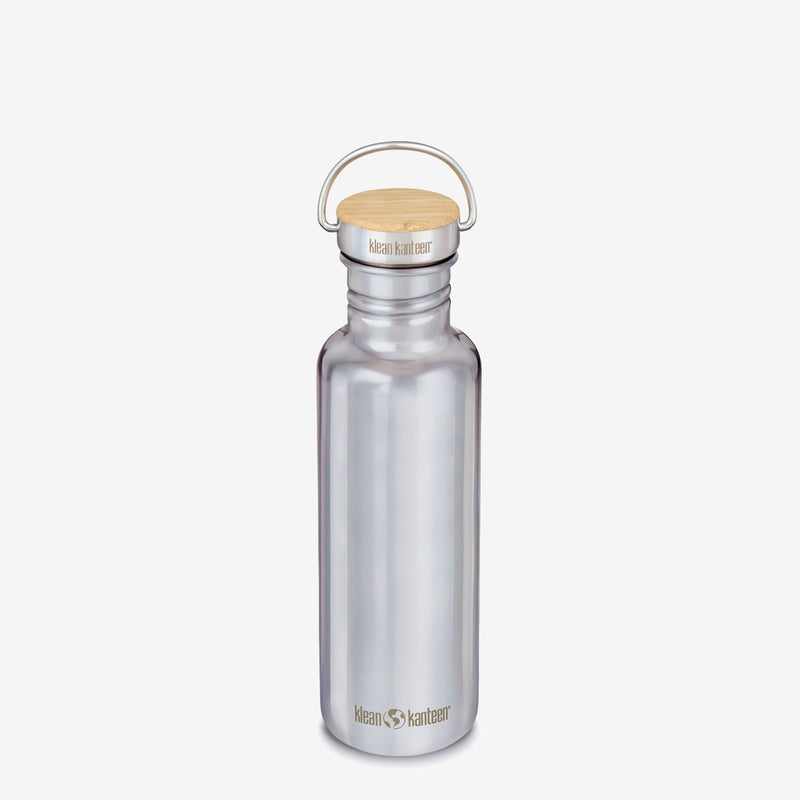
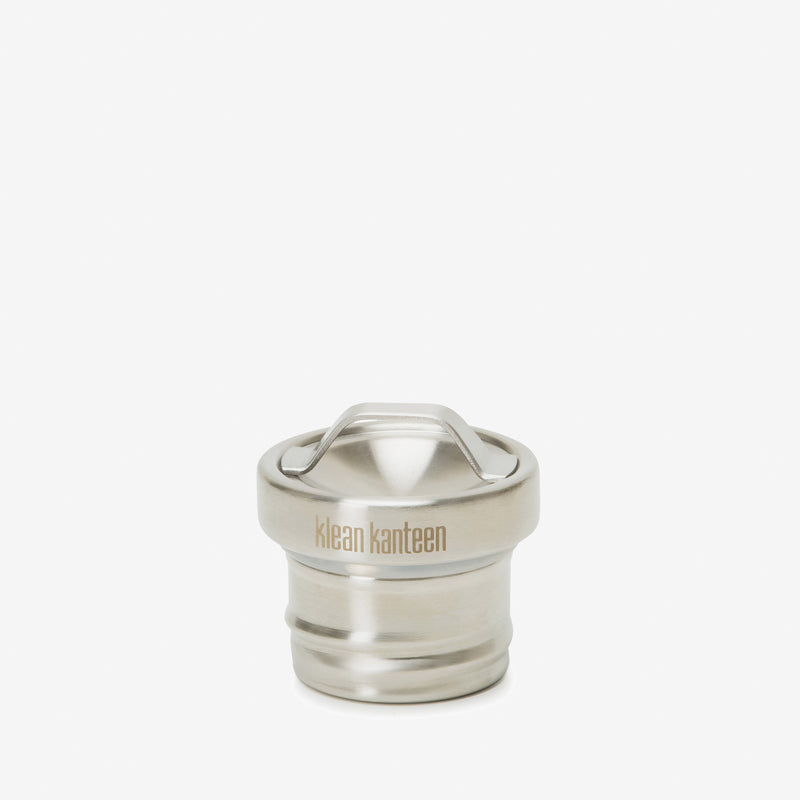
Klean Kanteen Classic (27 oz)
✓ 100% Plastic-Free: Stainless steel body AND cap. Zero plastic touches your water.
Price: $25-$30 · Material: 18/8 stainless steel ·
The OG of the stainless steel water bottle world. Klean Kanteen has been doing this since 2004, and the Classic is refreshingly simple. Single wall (so no insulation, but lighter), electropolished interior that doesn't retain flavors, and a loop cap that clips to bags. It's also a certified B Corp, if that matters to you – it matters to us.
Pros:
- Lightweight single-wall design (about 7 oz)
- Electropolished interior – no metallic taste
- Compatible with a huge range of Klean Kanteen lids
- Climate Lock option available for insulation
Cons:
- Single wall means condensation on cold drinks
- Dents more easily than double-wall bottles
- Loop cap isn't leak-proof when sideways
S’well Original (17 oz)
Price: $35-$45 · Material: 18/8 stainless steel, triple-wall ·
S’well bottles are the ones you see on Instagram, and for good reason – they're genuinely gorgeous. The wood-grain and stone patterns look premium. But looks aside, the triple-wall insulation keeps drinks cold for 36 hours and hot for 18. Narrow mouth is elegant but harder to clean without a bottle brush.
Pros:
- Stunning designs (this is the pretty one)
- Triple-wall insulation is impressive
- Condensation-free exterior
- Slim profile fits anywhere
Cons:
- Narrow mouth = harder to clean, can't fit ice cubes
- No handle or clip
- On the pricey side for 17 oz
Nalgene Sustain Wide Mouth (32 oz)
⚠️ Note: This bottle has a Tritan plastic body. While BPA-free, it’s still plastic. Consider stainless steel or glass for a truly plastic-free option.
Price: $13-$16 · Material: Tritan Renew (50% recycled, BPA-free) ·
The classic. If you went to college in the last 20 years, you probably had a Nalgene with stickers on it. The wide mouth fits ice and makes cleaning easy. At 32 oz, it's a solid daily hydration tracker. Not insulated, not fancy, but proven and cheap.
Pros:
- Incredibly affordable
- Nearly indestructible (legendarily so)
- Wide mouth for easy filling and cleaning
- Measurement markings on the side
- Lightweight
Cons:
- Still plastic (Tritan, but plastic)
- Zero insulation
- Wide mouth can be splashy when drinking
Takeya Actives Insulated (24 oz)
Price: $28-$33 · Material: 18/8 stainless steel ·
Takeya flies under the radar compared to Hydro Flask and Yeti, but honestly? The Actives might be the best value insulated bottle out there. It keeps ice for 24 hours, has a spout lid with a straw, and includes a carrying handle – all for around $30. The hinge on the lid is smooth and one-handable.
Pros:
- Excellent insulation at a fair price
- Spout lid with built-in straw
- Hinged carrying handle
- Powder-coated, non-slip grip
- Dishwasher safe (lid too)
Cons:
- Less brand cachet than Hydro Flask or Yeti (if you care about that)
- Straw can be finicky to align after cleaning
- Color selection is more limited
LARQ Bottle PureVis (17 oz)
Price: $98-$118 · Material: 18/8 stainless steel ·
Okay, this one's bougie. The LARQ uses UV-C LED light in the cap to neutralize up to 99% of bio-contaminants and purify water at the touch of a button. It activates every 2 hours automatically to keep water fresh. It sounds gimmicky, but after a month of testing, I was genuinely impressed – especially for travel.
Pros:
- UV-C purification actually works (kills bacteria and viruses)
- Self-cleaning mode eliminates bottle odor
- Double-wall insulated
- Sleek, minimalist design
- USB-C rechargeable (battery lasts ~1 month)
Cons:
- Expensive – by far the priciest on this list
- 17 oz capacity is small
- Doesn't filter physical particles or chemicals
- If the battery dies, it's just a regular bottle
Stanley Quencher H2.0 FlowState (40 oz)
Price: $35-$45 · Material: 18/8 stainless steel ·
I resisted the Stanley Quencher hype for as long as I could. Then someone bought me one and… yeah, I get it. The 40 oz capacity means you actually drink enough water. The tapered base fits cup holders. The rotating lid has three positions (straw, no straw, sealed). It's just well-designed.
Pros:
- 40 oz capacity = real hydration
- Fits standard car cup holders despite its size
- Three-position rotating lid is clever
- Comfortable handle for carrying
- Double-wall vacuum insulation
Cons:
- It's huge – not exactly portable for hiking
- The straw can be hard to clean without a brush
- It became a TikTok phenomenon, so you'll see them everywhere
- Occasional reports of lead in older models (Stanley says current production is lead-free at contact surfaces)
Comparison Table: All 12 Bottles at a Glance
| Bottle | Category | Material | Capacity | Insulated | Price Range | Rating |
|---|---|---|---|---|---|---|
| Hydro Flask | Best Overall | Stainless Steel | 21 oz | ✅ | $35-$45 | ⭐⭐⭐⭐⭐ |
| CamelBak Eddy+ | Best Budget | Tritan Renew | 25 oz | ❌ | $15-$18 | ⭐⭐⭐⭐ |
| Owala FreeSip | Best for Kids | Stainless Steel | 16 oz | ✅ | $25-$28 | ⭐⭐⭐⭐½ |
| Yeti Rambler | Best Insulated | Stainless Steel | 26 oz | ✅ | $40-$50 | ⭐⭐⭐⭐⭐ |
| bkr Glass | Best Glass | Borosilicate Glass | 16 oz | ❌ | $35-$48 | ⭐⭐⭐⭐ |
| LifeStraw Go | Best for Hiking | Tritan + Filter | 22 oz | ❌ | $40-$50 | ⭐⭐⭐⭐½ |
| Klean Kanteen | Best Lightweight | Stainless Steel | 27 oz | ❌ | $25-$30 | ⭐⭐⭐⭐ |
| S’well | Best Design | Stainless Steel | 17 oz | ✅ | $35-$45 | ⭐⭐⭐⭐ |
| Nalgene Sustain | Best Value | Tritan Renew | 32 oz | ❌ | $13-$16 | ⭐⭐⭐⭐ |
| Takeya Actives | Best Value Insulated | Stainless Steel | 24 oz | ✅ | $28-$33 | ⭐⭐⭐⭐½ |
| LARQ PureVis | Best Tech | Stainless Steel | 17 oz | ✅ | $98-$118 | ⭐⭐⭐⭐ |
| Stanley Quencher | Best Large Capacity | Stainless Steel | 40 oz | ✅ | $35-$45 | ⭐⭐⭐⭐½ |
Frequently Asked Questions
How often should I clean my reusable water bottle?
Every single day. I know, nobody wants to hear that. But warm, moist environments are bacteria playgrounds. A quick wash with hot soapy water and a bottle brush takes 30 seconds. Dishwasher-safe bottles make this even easier. Deep clean with baking soda and vinegar once a week if you use it daily.
Is stainless steel really better than plastic?
For health, absolutely. Food-grade 18/8 stainless steel doesn't leach chemicals, doesn't absorb odors, and doesn't degrade with heat exposure. It's also infinitely recyclable. The only potential downside is weight, but most people adjust within a day or two.
Are BPA-free plastic bottles actually safe?
Safer than BPA-containing bottles, yes. Completely risk-free? The science isn't settled. BPS and BPF (common BPA replacements) have shown similar estrogenic activity in some studies. If you want to eliminate the concern entirely, go with stainless steel or glass. A truly safe BPA free water bottle is one that doesn't use plastic at all.
Can I put hot drinks in a stainless steel water bottle?
Only if it's double-wall insulated. Single-wall steel bottles will get scorching hot on the outside and could burn you. Insulated bottles like the Hydro Flask, Yeti, and S’well handle hot liquids beautifully – just don't seal a carbonated hot drink (pressure builds).
How long do reusable water bottles last?
A quality stainless steel bottle will last 5-10+ years easily. My oldest Klean Kanteen is from 2019 and still works perfectly – dented, scratched, full of character. Glass bottles last indefinitely if you don't break them. Even the Tritan options like CamelBak and Nalgene typically last 3-5 years.
What about aluminum water bottles?
We don't recommend them. Most aluminum bottles have a plastic or epoxy lining inside (which can contain BPA or similar compounds). Once that lining scratches or degrades, you're drinking water that's been in contact with both aluminum and degraded plastic. Stainless steel is a better choice.
Do reusable bottles save money?
Let's do quick math. A case of 24 disposable water bottles costs roughly $5-7. If you drink the recommended 3-4 bottles per day, that's about $30-40/month, or $360-480/year. A $35 Hydro Flask pays for itself in about 5 weeks. Over five years, you save roughly $1,700-2,300. Not bad for doing something that's also better for your body and the planet.
The Bottom Line: Just Pick One and Start
Here's what I've learned after testing dozens of reusable water bottles: the best one is the one you'll actually use every day. If you want my single recommendation for truly plastic-free? The Klean Kanteen Classic – stainless steel body AND cap, zero plastic touches your water. For insulation with minimal plastic (lid only), the Hydro Flask is excellent. Just avoid all-plastic bottles like CamelBak and Nalgene if zero plastic exposure is your goal.
But honestly, any of these 12 bottles is a massive upgrade from single-use plastic. You'll drink cleaner water, save money over time, and stop adding to the estimated 50 billion plastic bottles Americans throw away every year.
You don't need to overhaul your whole life. Just start with your water bottle. It's the easiest switch you'll ever make.
Ready to make the change? Pick the bottle that fits your life from our list above, and your body (and your wallet) will thank you.
This article contains affiliate links. When you purchase through our links, we may earn a small commission at no extra cost to you. We only recommend products we've personally tested and believe in. See our full disclosure for details.
Have questions about a specific bottle? Drop them in the comments below – we've tested all of these and are happy to help you choose.