Last updated: February 2026 · Written by the No Plastic Living team
📦 Quick Answer
Yes, most tea bags contain plastic – and a single one can release 11.6 billion microplastic particles into your cup. The plastic culprit is usually polypropylene, used to heat-seal bags shut, or nylon in those fancy pyramid-shaped sachets. Brands confirmed plastic-free include Traditional Medicinals, Pukka, Numi, Republic of Tea, Stash, Yogi, Bigelow, and Clipper. Brands to avoid include Tazo, Teavana, Celestial Seasonings, and Mighty Leaf. Your safest bet? Switch to loose leaf tea with a stainless steel infuser and skip the plastic entirely.
Here’s something that might ruin your morning: that calming cup of tea you’re sipping could be laced with billions of microscopic plastic particles.
I know. I didn’t want to believe it either. Tea feels wholesome. It feels safe. It’s literally just leaves and hot water. But the bag those leaves come in? That’s where things go sideways.
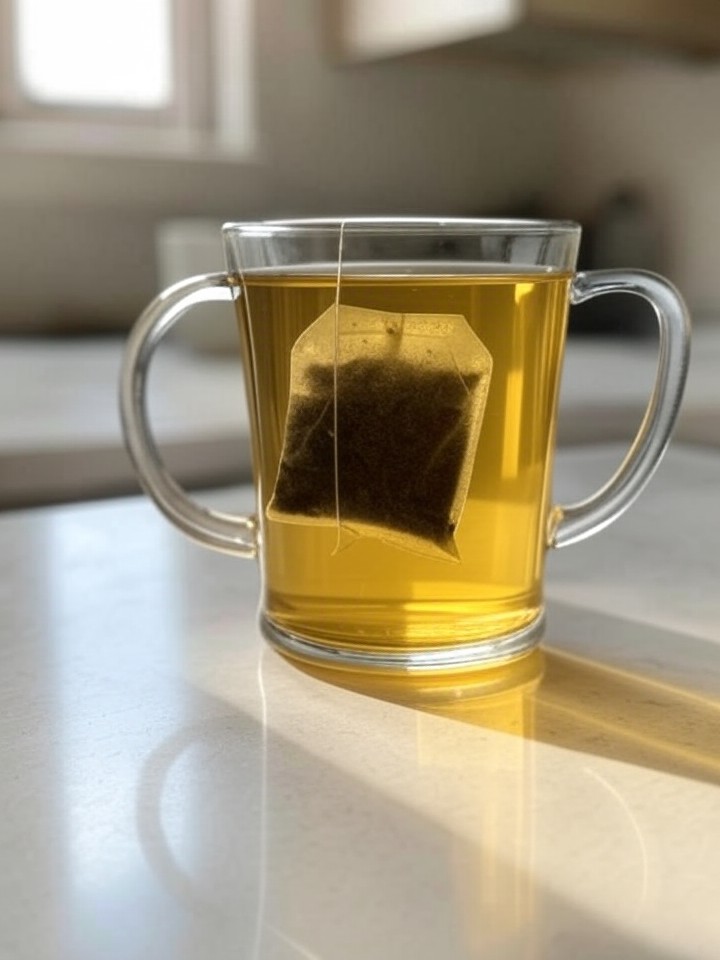
A landmark study from McGill University found that a single plastic tea bag, steeped at normal brewing temperature, releases approximately 11.6 billion microplastics and 3.1 billion nanoplastics into your cup. That’s not a typo. Billions. From one bag. In one cup.
The good news is that not all tea bags are guilty. Some brands have gone fully plastic-free, and there are simple alternatives that let you enjoy your tea without the side of microplastics. This guide breaks down exactly which brands are safe, which ones to avoid, and what to use instead.
The Science: How Many Microplastics Are in Your Tea Bag?
The research that started the conversation came from McGill University in Montreal, published in Environmental Science & Technology in 2019. Researchers Laura Hernandez and her team tested plastic tea bags by removing the tea leaves, then steeping the empty bags in water at 95°C (203°F) – standard brewing temperature.
The results were, in the researchers’ own words, “shocking.” A single plastic tea bag released roughly 11.6 billion microplastic particles and 3.1 billion nanoplastic particles into the water. To put that in perspective, that’s thousands of times more microplastic contamination than what’s been found in other food sources like table salt or bottled water.
The particles were primarily made of nylon and polyethylene terephthalate (PET) – the same materials used to make those silky, pyramid-shaped tea bags that look so premium on store shelves.
A follow-up study published in Chemosphere in November 2024 tested three different types of tea bags and found even more concerning numbers:
- Polypropylene (PP) tea bags: Released approximately 1.2 billion microplastic fragments per milliliter of tea
- Nylon-6 tea bags: Shed around 8.2 million nano-sized plastic particles per milliliter
- Cellulose tea bags: Released 135 million microscopic particles per milliliter (far less, but not zero)
The takeaway? If your tea bag is made from plastic – or even sealed with it – you’re drinking plastic with every sip.
Why Do Tea Bags Contain Plastic in the First Place?
This is the part that surprises most people. You’d think a tea bag is just paper. It looks like paper. It feels like paper. But most conventional tea bags contain plastic, and here’s why:
Polypropylene Heat-Seal
The most common plastic in tea bags is polypropylene (PP). It’s used as a sealant to keep the bag from falling apart in hot water. Without it, a pure paper bag would disintegrate when you steep it. Most major brands use about 20-30% polypropylene in their tea bag material. You can’t see it, but it’s there – bonded right into the paper fibers.
Nylon and PET Mesh Bags
Those fancy pyramid-shaped sachets? They’re almost always made from nylon or PET plastic. They’re marketed as “silken” or “mesh” bags, but that silky material is straight-up plastic. These are actually the worst offenders in the McGill study, releasing billions of particles per bag.
PLA (Polylactic Acid) “Bioplastic”
Some brands have switched to PLA, a plant-based plastic derived from corn starch. It’s marketed as biodegradable and compostable. The catch? PLA only breaks down in industrial composting facilities at high temperatures – not in your home compost bin, and definitely not in a landfill. Whether PLA releases microplastics during brewing is still being studied, but early research suggests it’s a significant improvement over conventional plastics.
Health Risks: What Microplastics from Tea Bags Do to Your Body
The health conversation around microplastics has shifted dramatically in the past few years. We’re no longer asking “are microplastics in our bodies?” We know they are – they’ve been found in human blood, lungs, placentas, and even brain tissue. The question now is how much harm they’re causing.
Here’s what the research points to:
- Endocrine disruption. Microplastics and the chemicals they carry (like BPA and phthalates) can interfere with hormone function. A 2023 study in the International Journal of Surgery highlighted hormonal imbalances and reproductive toxicity as key concerns.
- Cardiovascular risk. A 2024 study in the New England Journal of Medicine found that patients with microplastics in their carotid artery plaque had a 4.5x higher risk of heart attack, stroke, or death over a 34-month follow-up period.
- Inflammation and oxidative stress. Nanoplastics in particular can cross cell membranes and trigger inflammatory responses, according to research in Environmental Health Perspectives.
- Gut microbiome disruption. Animal studies have shown microplastic exposure can alter gut bacteria, lower sperm quality, and impair cognitive function.
A 2023 study that examined 45 tea bag samples from brands in Persia and Germany found significant levels of both microplastics and phthalates, underscoring that this isn’t just a theoretical risk – it’s happening in real products on real store shelves.
The volume matters here. If you’re drinking 2-3 cups of tea a day from plastic tea bags, you could be consuming tens of billions of plastic particles daily. Over months and years, that adds up.
Which Tea Bag Brands Are Plastic-Free?
The good news: several well-known brands have committed to fully plastic-free tea bags. These companies use materials like unbleached paper, abaca (manila hemp), cornstarch-based materials, or plant cellulose fibers – no polypropylene, no nylon, no PET.
According to the Center for Environmental Health and our own research, these brands are confirmed plastic-free:
Traditional Medicinals
Their tea bags are made from unbleached manila hemp and don’t use any plastic sealant. Bags are compostable. One of the most trusted names in plastic-free tea.
Pukka
Uses bags made from a blend of natural plant fibers (abaca and plant cellulose). No plastic whatsoever. Fully compostable. Also certified organic and fair trade. Our top recommendation for anyone switching from conventional brands.
Numi Organic Tea
Numi was one of the first major brands to commit to plastic-free tea bags. Their bags are made from manila hemp and wood pulp fibers, sealed without polypropylene. Compostable in home and commercial composting.
Republic of Tea
Their round, unbleached tea bags are plastic-free and made from natural fiber. The brand is transparent about their materials and committed to sustainability.
Stash Tea
Stash uses paper tea bags without polypropylene sealant. Their bags are plastic-free. Note: the individually wrapped envelopes may contain a foil lining.
Yogi Tea
The tea bag itself is plastic-free and compostable. Yogi has committed to making all packaging 100% plastic-free (the outer envelopes previously contained some plastic, but the brand has been transitioning).
Bigelow Tea
Bigelow tea bags are plastic-free and compostable (just remove the staple). Their bags use paper fiber without polypropylene. The foil-lined envelope, however, is not compostable – it’s designed to keep the tea fresh. A solid everyday option.
Clipper Tea
A UK-based brand widely available in the US. Clipper uses unbleached, non-GM plant-based material with no plastic sealant. Their bags are fully compostable. Also certified organic and fair trade.
Which Tea Bags to AVOID (Brands That Still Use Plastic)
These brands have been identified by the Center for Environmental Health and independent researchers as using plastic in their tea bags:
- Tazo – Uses plastic in tea bags. Not fully compostable.
- Teavana (Starbucks) – Their sachets contain nylon or PET plastic.
- Celestial Seasonings – Contains polypropylene in the tea bag material. The Center for Environmental Health has an active campaign urging the brand to go plastic-free.
- Mighty Leaf Tea (Peet’s) – Uses nylon mesh in their signature pouch-style bags.
- Tea Forte – Their iconic pyramid-shaped infusers are made from nylon mesh.
- Harney & Sons (silken sachets) – The silky pyramid bags are nylon. Note: their paper tea bag varieties may be plastic-free – check the packaging.
Brands in Transition (Check the Label)
Several major brands have made pledges to remove plastic but haven’t fully completed the transition:
- Twinings – Has been working to remove polypropylene from tea bags. Some varieties are now plastic-free, but others aren’t. Check the box for “plant-based” or “plastic-free” labels.
- Tetley – Pledged to make all packaging recyclable, reusable, or compostable. Their “All Rounder” tagless bags have moved to 75% cellulose fiber with the remainder transitioning from plastic to a plant-based sealant. Other varieties may still contain plastic.
- PG Tips – Has been removing polypropylene and switching to plant-based materials. Progress varies by product line.
- Yorkshire Tea – Similar transition in progress. They’ve been transparent about the challenge and timeline.
- Lipton – Some varieties now use manila hemp and cellulose fibers that are plastic-free. Other product lines may still contain polypropylene. Read the label.
The general rule: if the brand doesn’t clearly state “plastic-free” or “plant-based” on the box, assume there’s plastic in the bag.
Safer Alternatives: How to Drink Tea Without Microplastics
The most foolproof way to avoid microplastics in your tea is to skip tea bags entirely. Here are three approaches, from easiest to most involved:
1. Switch to a Confirmed Plastic-Free Brand
If you love the convenience of tea bags, just swap your current brand for one from the plastic-free list above. Pukka, Numi, Traditional Medicinals, and Bigelow are all widely available at most grocery stores and on Amazon. Same ritual, zero plastic.
2. Use Loose Leaf Tea with a Stainless Steel Infuser
Loose leaf tea is the gold standard. No bag, no plastic, no question. And honestly? It tastes better. Tea bags typically contain lower-grade tea dust and fannings, while loose leaf gives you the whole leaves with more flavor and more antioxidants.
All you need is a simple stainless steel mesh infuser. Drop it in your mug, add loose leaf tea, pour hot water, steep, and remove. It takes the same amount of time as a tea bag and the infuser lasts for years.
3. Use a Glass Teapot with a Built-In Strainer
If you’re making tea for more than one person (or just want to feel fancy), a glass teapot with a stainless steel strainer insert is the way to go. No plastic anywhere in the process, and you get to watch the tea leaves unfurl – which is genuinely satisfying.
Our Product Recommendations
Here are the plastic-free tea tools we actually use and recommend:
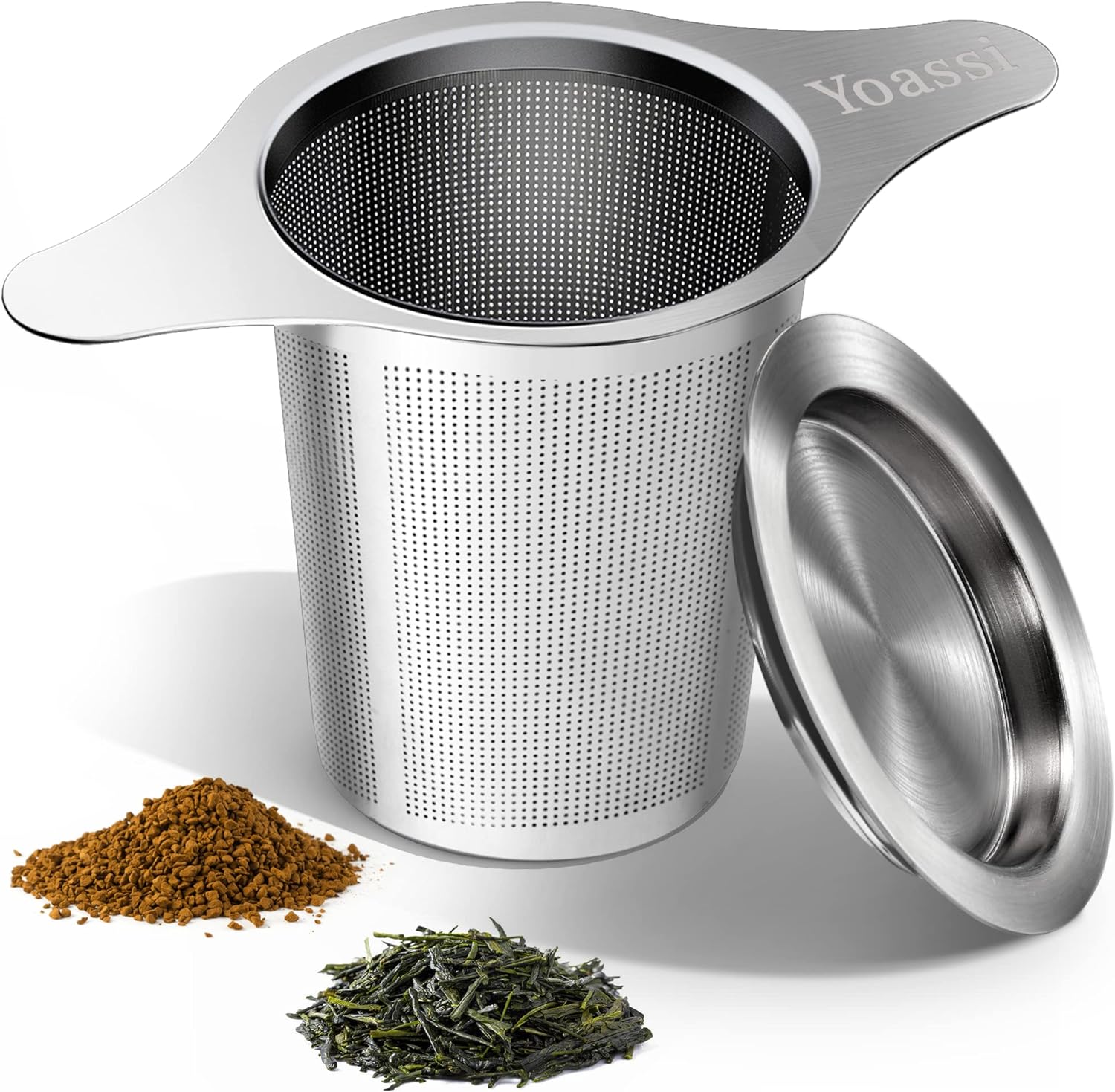
Yoassi Extra Fine Stainless Steel Tea Infuser
Made from 18/8 stainless steel with an extra-fine mesh that keeps even small tea particles out of your cup. The double handles hook onto any standard mug. Dishwasher safe, built to last, and under $10. This is the simplest upgrade you can make.
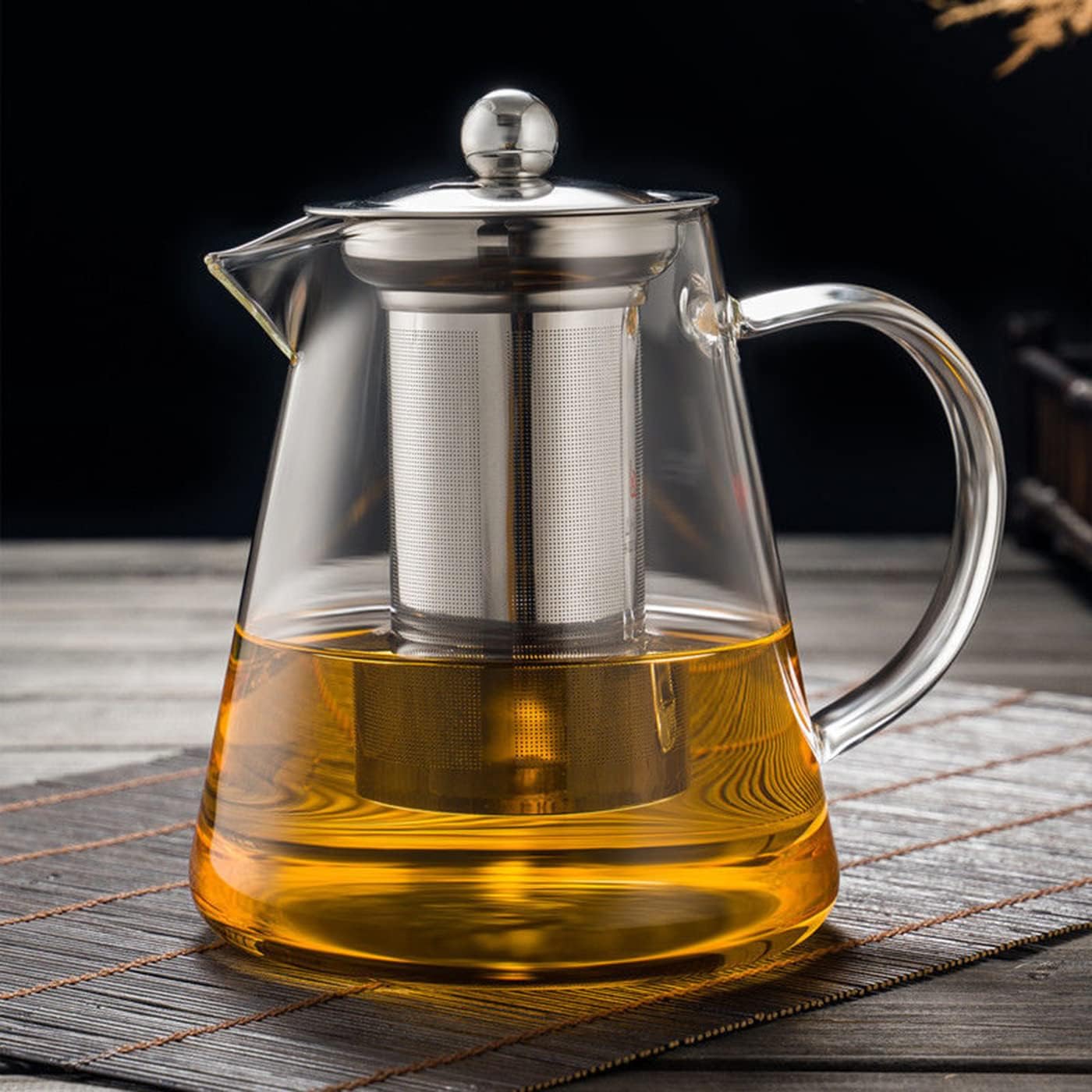
PARACITY Glass Teapot with Stainless Steel Infuser (18.6 oz)
Borosilicate glass teapot with a removable 18/8 stainless steel infuser basket. Completely plastic-free, stovetop safe, and easy to clean. Perfect for brewing loose leaf tea for one or two people. The glass lets you see the tea color develop so you can steep to your exact preference.
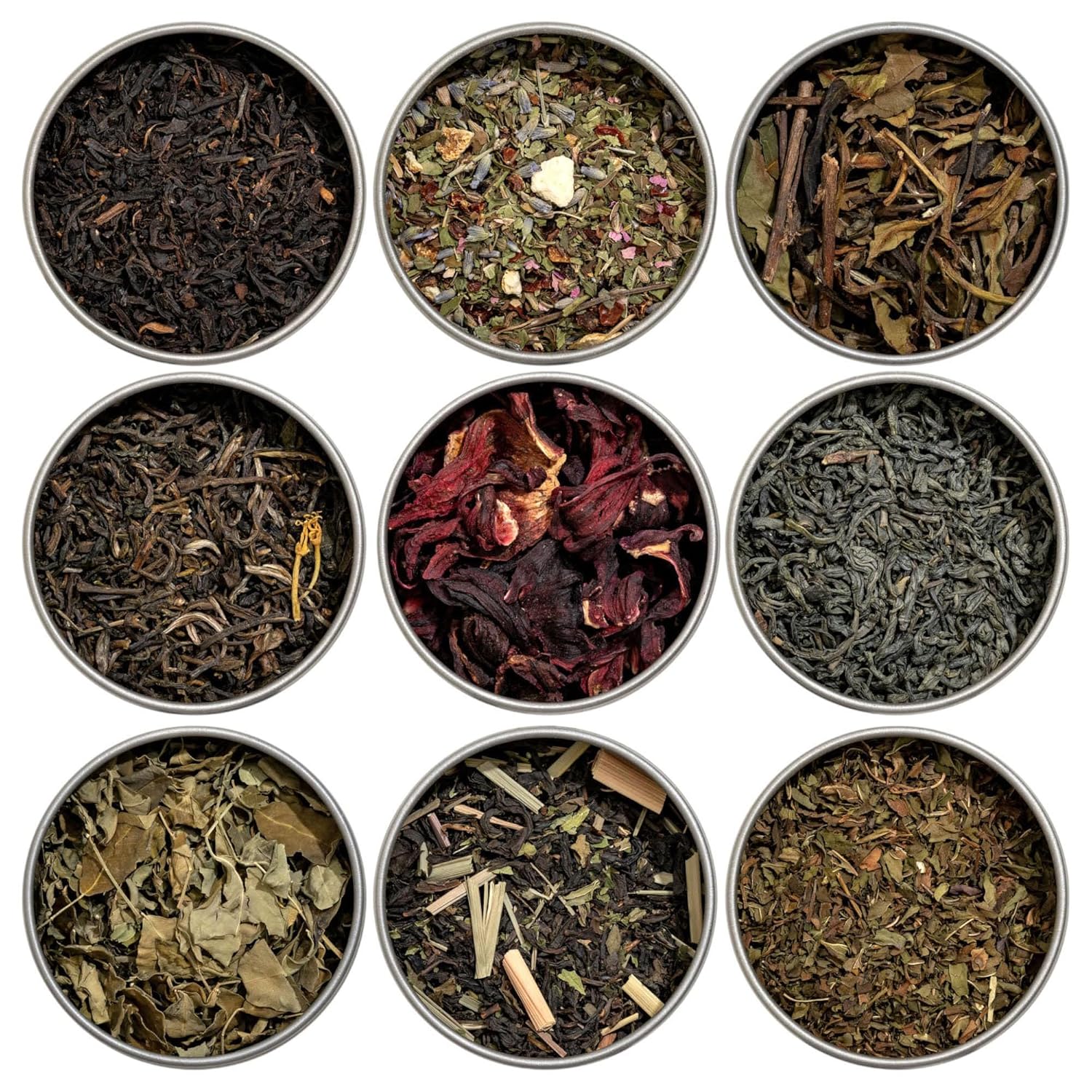
Heavenly Tea Leaves Organic Loose Leaf Tea Sampler (9 Varieties)
If you’re new to loose leaf tea, this sampler is a great entry point. Includes 9 organic varieties – green, black, white, and herbal – for approximately 90 cups. All organic, no tea bags, no plastic. A good way to find your favorites before committing to a full-size package.
Quick Reference: Tea Bag Brand Comparison Table
| Brand | Plastic-Free? | Notes |
|---|---|---|
| Traditional Medicinals | ✅ Yes | Unbleached manila hemp, compostable |
| Pukka | ✅ Yes | Plant fiber blend, organic, fair trade |
| Numi Organic Tea | ✅ Yes | Manila hemp and wood pulp, compostable |
| Republic of Tea | ✅ Yes | Natural fiber, unbleached |
| Stash Tea | ✅ Yes | Paper bags, no polypropylene |
| Yogi Tea | ✅ Yes | Bag is plastic-free and compostable |
| Bigelow | ✅ Yes | Compostable bag (remove staple) |
| Clipper | ✅ Yes | Unbleached, organic, fair trade |
| Twinings | ⚠️ Some | Transitioning – check label for “plant-based” |
| Tetley | ⚠️ Some | Transitioning – varies by product line |
| Lipton | ⚠️ Some | Some varieties plastic-free, others not |
| Yorkshire Tea | ⚠️ Some | Transition in progress |
| Tazo | ❌ No | Contains plastic, not compostable |
| Teavana (Starbucks) | ❌ No | Nylon/PET sachets |
| Celestial Seasonings | ❌ No | Contains polypropylene |
| Mighty Leaf (Peet’s) | ❌ No | Nylon mesh pouches |
| Tea Forte | ❌ No | Nylon pyramid infusers |
| Harney & Sons (sachets) | ❌ No | Silken sachets are nylon (paper bags may be OK) |
The Bottom Line
Your daily cup of tea shouldn’t come with a side of billions of plastic particles. But for millions of people using conventional tea bags, that’s exactly what’s happening.
The fix is simple. You have three options:
- Switch brands. Swap to a confirmed plastic-free brand like Pukka, Numi, Traditional Medicinals, Bigelow, or any of the others on our safe list. Same convenience, zero plastic.
- Go loose leaf. Grab a stainless steel tea infuser and some quality loose leaf tea. Better flavor, more antioxidants, and absolutely no microplastics. It’s a one-time investment that pays off immediately.
- When in doubt, check the label. If the box doesn’t say “plastic-free,” “plant-based,” or “compostable,” assume there’s polypropylene in the bag. And if it looks silky or comes in a pyramid shape? That’s almost certainly nylon or PET.
Tea has been consumed for thousands of years. Microplastics in tea bags are a modern problem – and fortunately, one with modern solutions.
Your body processes everything you put into it. Make sure your tea is just tea.
Related Articles
- Is Microwaving Plastic Safe? What Science Actually Says in 2026
- BPA-Free Water Bottles: Are They Actually Safe?
- Is Silicone Safe? The Truth About Silicone vs Plastic
- Best Reusable Food Storage Containers in 2026
- Best Plastic-Free Electric Kettles in 2026
If the bag is safe but the kettle is plastic, you still boiled the water in plastic. Steel kettles we actually recommend.
Disclaimer: This article is for informational purposes only and should not be taken as medical advice. The information presented is based on publicly available research and brand-reported data as of February 2026. Brand formulations and materials may change over time – always check current packaging for the most up-to-date information. Some links in this article are affiliate links, meaning we may earn a small commission if you make a purchase through them, at no extra cost to you. We only recommend products we genuinely believe help reduce plastic exposure. For health concerns related to microplastic exposure, consult a qualified healthcare professional.