
Last updated: September 2026
📦 Quick Verdict
Yes, Stasher bags are worth it – but with caveats. At $12-15 per bag, they’re a genuine investment. You’re paying for platinum-cured silicone that won’t leach chemicals, survives thousands of uses, and handles everything from freezer to microwave to sous vide. If you meal prep, pack lunches, or want to eliminate plastic bags from your kitchen, Stashers deliver. If you need truly leakproof liquid storage or you’re on a tight budget, there are better options. Our take: start with two medium bags and see if the workflow fits your life before going all-in.
Fifteen dollars for a sandwich bag looks like Instagram bait. That is the honest first reaction. The question is whether platinum-cured silicone actually earns it once you stop buying boxes of Ziploc.
Here’s the thing about Stasher bags: they’re not trying to be cheap Ziploc replacements. They’re a different product entirely – one that happens to solve the same problem while eliminating the plastic waste, chemical leaching, and constant repurchasing. Whether that tradeoff makes sense depends entirely on how you use them.
Let’s break it down.
What Are Stasher Bags, Exactly?
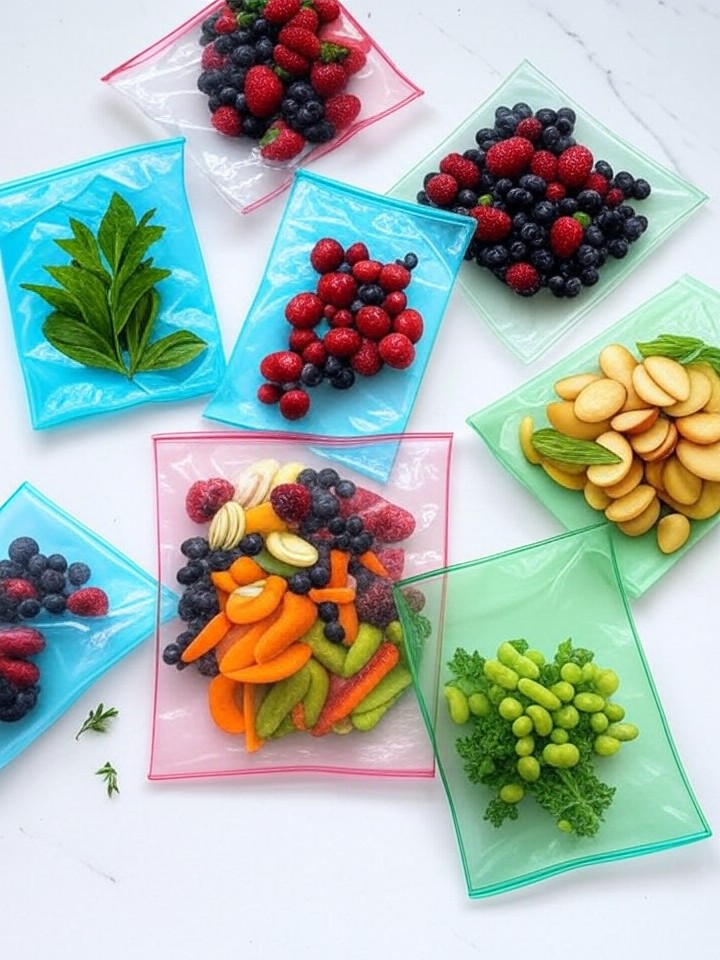
Stasher bags are reusable food storage bags made from pure platinum-cured silicone. They were invented in 2016 by Kat Nouri, a California mom who wanted to stop sending her kids to school with plastic bags.
The key specs:
- Material: 100% pure platinum food-grade silicone (no plastic, no latex, no PVC)
- Temperature range: -40°F to 400°F (-40°C to 204°C)
- Safe for: Dishwasher, microwave, oven, freezer, boiling water, sous vide
- Seal: Pinch-Lok seal (press closed, no zipper mechanism)
- Sizes: Pocket, snack, sandwich, half-gallon, stand-up, bowl, and mega sizes
- Colors: Approximately a million (they release new ones constantly)
- Price: $9.99 to $24.99 depending on size
The platinum-cured part matters. Cheaper silicone products use peroxide curing, which can leave residual byproducts. Platinum curing produces a purer, more stable silicone with better heat resistance and longevity. It’s why Stasher bags can handle sous vide cooking at 185°F for hours without degrading.
The Pros: What Stasher Gets Right
Genuinely Plastic-Free Food Contact
This is the real reason to buy Stashers. Unlike plastic bags – even “BPA-free” ones – silicone doesn’t leach chemicals into your food. No phthalates, no BPA, no BPS, no microplastics shedding into your lunch.
A 2023 study from the University of Nebraska-Lincoln found that plastic food containers release billions of micro and nanoplastic particles when heated. Silicone? Zero microplastics. Different material, different molecular structure, different outcome.
If you’re storing fatty foods, acidic foods, or anything you’re going to heat up, this matters. A lot.
Built to Last (Seriously)
Stasher claims their bags last “years” with proper care. Based on my experience and the experience of everyone I’ve talked to who owns them – that’s accurate. I have bags I’ve used weekly for two years that still seal perfectly.
The silicone doesn’t crack, become brittle, or degrade over time the way plastic does. There’s no zipper mechanism to break. The Pinch-Lok seal is just silicone pressing against silicone – nothing to wear out.
Compare that to plastic freezer bags, which get brittle and leak after a few uses, or cheap reusable bags with zippers that fail within months.
Insane Versatility
Here’s where Stashers actually justify the price – you can use them for things plastic bags can’t touch:
- Sous vide cooking: Submerge in 185°F water for hours. Try that with a Ziploc.
- Microwave reheating: Toss yesterday’s leftovers straight from the fridge to the microwave.
- Oven cooking: Yes, you can put them in the oven up to 400°F. Steam vegetables, bake fish in parchment inside the bag, whatever.
- Freezer to microwave: No need to transfer to a different container. Freeze soup, then microwave it in the same bag.
- Dishwasher cleaning: Top rack, done. No hand-washing required.
- Boiling water: Sterilize them, cook in them, whatever you need.
This isn’t just marketing fluff – the temperature range genuinely opens up use cases that single-use plastic can’t handle.
They Actually Stay Closed
The Pinch-Lok seal works better than I expected. Press the top together and it creates an airtight seal that holds. It’s not zipper-satisfying, but it’s reliable.
I’ve thrown full Stashers into bags, tossed them in the car, flipped them upside down in the fridge – the seal holds. For dry goods and most moist foods, you’re not going to have leakage issues.
Easy to Clean
Turn them inside out, run them through the dishwasher, done. They dry pretty quickly if you flip them open. For stuck-on residue, a bottle brush handles it.
Compared to the nightmare of washing and drying plastic bags (which nobody actually does consistently – be honest), Stashers are genuinely low-friction to maintain.
The Cons: Where Stasher Falls Short
The Price. Obviously.
Let’s not dance around it – Stasher bags are expensive. A sandwich-size bag runs $12-15. A half-gallon is $18-20. A full set to replace your plastic bag collection? You’re looking at $80-150.
For comparison, a box of 100 plastic sandwich bags costs $5-8. If you’re purely optimizing for cost, the math doesn’t work until you’ve reused a Stasher hundreds of times.
The value proposition only makes sense if you:
- Actually hate buying plastic bags repeatedly
- Care about the health/environmental angle
- Will use the temperature versatility
- Keep them long enough to amortize the cost
If you just need something to hold a sandwich once and toss it, Stashers are overkill.
Not Truly Leakproof for Liquids
Here’s the thing Stasher’s marketing doesn’t emphasize: the Pinch-Lok seal is airtight, not watertight under pressure.
For soup, smoothies, or anything fully liquid – don’t transport them horizontally in a bag or expect them to survive being jostled around. They’ll leak. Not catastrophically, but enough to be annoying.
The seal is fine for:
- Foods with some liquid (marinated meat, cut fruit)
- Liquids stored upright and undisturbed in the fridge/freezer
- Anything you’re not planning to carry around
It’s not fine for:
- Throwing a bag of soup in your work bag
- Liquids in any orientation other than upright
- Anything you’ll be transporting aggressively
If you need truly leakproof liquid storage, get a jar or a container with a screw-top lid.
Staining Happens
Tomato sauce, turmeric, berries, beets – anything with strong pigments will stain your Stashers. The silicone absorbs color over time.
It doesn’t affect function or safety – just aesthetics. But if you bought the pretty colors expecting them to stay pretty, manage your expectations. My “mint green” bag is now “vaguely orange-green” after too many encounters with marinara.
Pro tip: use clear or white bags for anything stain-prone, save the cute colors for dry snacks.
They’re Floppy
Unlike rigid containers, Stashers don’t hold their shape. This makes them harder to fill (the bag flops closed while you’re spooning in leftovers) and harder to stack in the fridge.
The stand-up bags help with this, but they’re more expensive. The regular bags work best if you have a system – fill them flat on the counter, then store.
Smell Retention
Strong odors can linger in silicone. Garlic, onions, fish – they may leave a ghost of their presence even after washing.
Usually this fades after a few washes, or you can soak in baking soda and water. But it’s worth noting if you’re sensitive to food smells.
Stasher vs. The Competition
Stasher isn’t the only reusable silicone bag on the market. Here’s how they compare:
Stasher vs. Zip Top Bags
Zip Top bags have a more rigid design that stands up on their own and has a wider opening. They’re easier to fill and store upright. Price is similar ($10-15 per bag).
Winner: Zip Top for meal prep and fridge storage. Stasher for portability and versatility (Stashers lay flatter and pack better).
Stasher vs. Generic Silicone Bags (Amazon, etc.)
You can find silicone bags on Amazon for $3-5 each. They work… kind of. Common issues:
- Seals that don’t hold well
- Thinner silicone that feels flimsy
- Questionable “food grade” claims
- Shorter lifespan
Winner: Stasher if you want reliability. Generics if you’re experimenting and don’t mind replacing them.
Stasher vs. Reusable Plastic Bags (Russbe, ReZip)
Some brands make thick, reusable plastic bags with better zippers. They’re cheaper ($5-8) and have better leak-proof zippers. But they’re still plastic – still leaching concerns, still degrading over time, still not heat-safe.
Winner: Depends on your priorities. Reusable plastic for pure leak-proofing on a budget. Stasher if avoiding plastic contact is the whole point.
Best Uses for Stasher Bags
Based on actual daily use, here’s where Stashers shine:
Meal prep: Portion out ingredients, marinate proteins, store prepped vegetables. The freezer-to-microwave workflow is a game-changer for batch cooking.
Packed lunches: Sandwiches, snacks, cut fruit. They’re sturdy enough to survive a backpack or lunch bag.
Sous vide cooking: This is genuinely a killer use case. Stashers handle extended submersion in hot water perfectly. If you own an immersion circulator, these are a must.
Travel toiletries: TSA-approved, won’t leak your shampoo everywhere, easy to clean when you get home.
Freezer storage: Soups, sauces, portioned proteins. They freeze flat to save space and thaw easily.
Kid snacks: Durable, easy for small hands to open and close, no worries about what’s leaching into their goldfish crackers.
Which Sizes to Buy First
Don’t buy a full set. Start with:
- Two sandwich size ($12 each): The workhorse. Good for sandwiches, snacks, portioned leftovers, marinating one chicken breast.
- One half-gallon ($18): For bigger batch items – soups, large portions of cut vegetables, family-size snack portions.
That’s a $42 starter kit that covers 80% of use cases. Use them for a month, see if the workflow fits your life, then expand if it makes sense.
Skip initially: The pocket size (too small to be useful for most people), the mega size (unless you have a specific need), the bowls (cool but expensive for what they are).
Care Tips for Maximum Lifespan
- Dishwasher: Top rack, open them up so water gets inside. Works great.
- Stubborn residue: Soak in hot water with dish soap, or use a bottle brush.
- Stains: Soak in baking soda paste or leave in sunlight (UV helps break down pigments).
- Odors: Baking soda soak, or boil them for a few minutes.
- Storage: Store open or loosely closed – sealing them shut long-term can make the seal less effective over time.
- Avoid: Cutting or puncturing (they don’t self-heal), harsh abrasives, open flames.
The Bottom Line
Buy Stasher bags if you:
- Meal prep regularly and want a plastic-free workflow
- Do sous vide cooking
- Pack lunches for yourself or your kids
- Care about reducing plastic contact with your food
- Value buying once over buying repeatedly
- Will actually use them enough to justify the cost
Skip Stasher bags if you:
- Need truly leakproof liquid transport
- Are on a tight budget and cost-per-use is your main concern
- Rarely use food storage bags to begin with
- Want rigid containers that stack neatly
At $12-15 per bag, Stashers are an investment that only pays off if you use them consistently. But if they fit your workflow, they’re genuinely excellent – well-made, versatile, and they solve the “plastic touching my food” problem completely.
Start with two sandwich bags. Give them a month. You’ll know pretty quickly if you’re a Stasher person or not.
Check Stasher prices on Amazon | Shop at Stasherbag.com
Related reading:
- Is Silicone Safe? The Truth About Silicone vs Plastic
- Best Reusable Food Storage Containers
- Is Microwaving Plastic Safe?
This article is for informational purposes only. We may earn a commission on purchases made through affiliate links – this doesn’t affect our editorial independence or recommendations.