Last updated: February 2026 | By the No Plastic Living Team
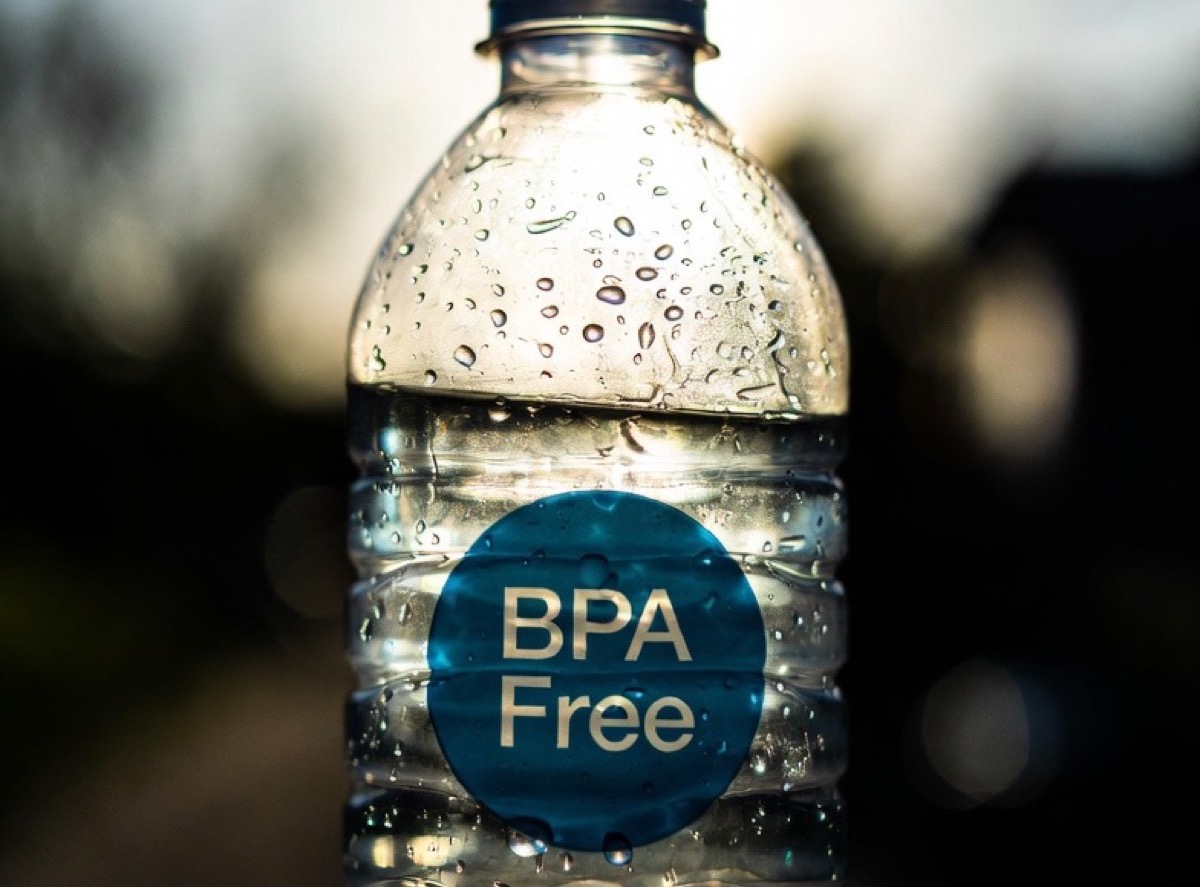
⚡ Quick Answer: BPA-free doesn't mean chemical-free. Many manufacturers simply swapped BPA for similar compounds like BPS and BPF, which emerging research suggests may be just as harmful to your endocrine system. If you want to truly avoid these chemicals, your safest options are stainless steel, glass, or silicone water bottles – not just any bottle with a "BPA-free" sticker on it.
I remember the exact moment this topic got under my skin. I was standing in the kitchen aisle at Target, holding a shiny new water bottle that proudly declared "BPA-FREE!" in big green letters. I felt good about it. Responsible, even. I'd heard BPA was bad, I was avoiding it – mission accomplished, right?
Then I made the mistake of Googling "is BPA-free plastic actually safe" while waiting in the checkout line. Forty-five minutes later I was still in my car in the parking lot, deep in PubMed abstracts, feeling increasingly uneasy about the bottle sitting in my shopping bag.
What I found changed how I think about plastic entirely. And honestly, I think it'll change how you think about it too.
The BPA Story: How We Got Here
To understand why "BPA-free" might be a marketing trick more than a safety guarantee, we need to rewind.
Bisphenol A (BPA) is a synthetic chemical that's been used since the 1960s to make polycarbonate plastics and epoxy resins. It showed up everywhere – water bottles, food containers, the lining inside canned goods, even thermal receipt paper. For decades, nobody thought much about it.
Then scientists started asking uncomfortable questions.
The Research That Changed Everything
In the early 2000s, a wave of studies began linking BPA exposure to a laundry list of health concerns. Researchers at the University of Missouri found that even low doses of BPA could mimic estrogen in the body, interfering with the endocrine system – the network of hormones that regulates everything from metabolism to reproduction to brain development.
Here's a snapshot of what the science was showing:
- Endocrine disruption: BPA binds to estrogen receptors, effectively acting like a synthetic hormone in your body. A landmark 2007 review in Reproductive Toxicology compiled over 700 studies documenting these effects.
- Developmental concerns: Studies in animals showed BPA exposure during pregnancy could affect fetal brain development and reproductive organ formation (vom Saal & Hughes, 2005).
- Links to chronic disease: Research published in JAMA (2008) found that higher urinary BPA concentrations were associated with cardiovascular disease, diabetes, and liver abnormalities in adults.
- It leaches – a lot: Heat, acidity, and wear all accelerate BPA leaching from containers into food and drinks. That old Nalgene you've been microwaving? Yeah.
The CDC's biomonitoring data found detectable levels of BPA in 93% of Americans tested. It was essentially unavoidable.
The Ban (Sort Of)
Public pressure mounted. In 2012, the FDA banned BPA from baby bottles and sippy cups. Canada had already classified it as toxic. The European Union restricted its use in infant products. Retailers started pulling BPA-containing products from shelves.
But here's the critical detail most people miss: the FDA never banned BPA from adult food packaging or water bottles. The 2012 action was narrow – limited to infant products – and it came only after manufacturers had already voluntarily stopped using BPA in those items. The FDA essentially formalized something the industry had already done.
To this day, the FDA's official position has been a moving target. For years they maintained that BPA was safe at current exposure levels. Then in 2024, the FDA issued a significantly revised draft assessment acknowledging health concerns at much lower exposure levels than previously considered safe – essentially admitting their earlier position needed updating. It was a quiet but meaningful shift.
What Replaced BPA? Meet BPS and BPF
So manufacturers needed alternatives. Enter the bisphenol family reunion.
When companies removed BPA from their products, they didn't stop using bisphenols entirely. They switched to structural analogs – chemicals that are molecularly similar to BPA but technically different compounds. The most common replacements are:
- BPS (Bisphenol S): Now found in everything from thermal receipt paper to plastic bottles and food packaging.
- BPF (Bisphenol F): Common in industrial coatings, lacquers, and some food contact materials.
- BPAF, BPB, BPE, BPZ: Less common but increasingly showing up in consumer products.
The logic was straightforward: BPA is the problem, so remove BPA. Slap a "BPA-free" label on it. Problem solved.
Except the problem wasn't BPA specifically. The problem was the entire class of chemicals that behave like BPA. And that distinction matters enormously.
Are BPA Replacements Safe? Here's What the Science Says
This is where things get genuinely concerning.
BPS: Same Problems, Different Name
A 2015 study published in Environmental Health Perspectives – one of the most respected journals in the field – found that BPS disrupted the endocrine system of zebrafish at concentrations similar to BPA. The researchers, led by Dr. Nancy Wayne at UCLA, observed altered brain development and hyperactive behavior in fish exposed to BPS.
"Our findings are frightening and important," Dr. Wayne said at the time. "Consider it the aquatic version of ADHD."
More research followed:
- A 2017 study in Endocrinology found that BPS exposure in mice affected mammary gland development in ways remarkably similar to BPA – suggesting the same breast cancer risk pathways could be in play (Pelch et al., 2017).
- Research published in Environmental Science & Technology (2015) detected BPS in 81% of urine samples tested in the United States. We're already widely exposed.
- A 2020 review in Environment International analyzed dozens of studies and concluded that BPS showed estrogenic, anti-androgenic, and thyroid-disrupting activity comparable to BPA.
BPF: Potentially Worse
BPF hasn't been studied as extensively as BPS, but what we do know isn't reassuring:
- A 2015 study in Environmental Health Perspectives found that BPF had similar estrogenic and anti-androgenic activity to BPA in human cell assays (Rochester & Bolden, 2015). In some measures, BPF was actually more potent than BPA.
- Research shows BPF is present in mustard, canned foods, and various food contact materials.
- A 2019 study in Chemosphere found BPF in indoor dust, drinking water, and human urine samples across multiple countries.
The "Regrettable Substitution" Problem
Toxicologists have a term for this pattern: regrettable substitution. It's when a known harmful chemical is replaced with a similar chemical that hasn't been studied enough to confirm it's safe – and often turns out to have the same problems.
Dr. Laura Vandenberg, a leading endocrine disruption researcher at UMass Amherst, has been vocal about this: "BPA-free is not the same as bisphenol-free, and it's certainly not the same as safe."
A comprehensive 2020 meta-analysis in Current Opinion in Toxicology reviewed the evidence on BPA alternatives and concluded that many common replacements "exhibit endocrine-disrupting properties similar to or even greater than BPA." The authors explicitly warned against assuming safety based solely on the absence of BPA.
What "BPA-Free" Actually Means (and Doesn't Mean)
Let's be precise about this, because the marketing language is designed to make you feel safe.
What "BPA-free" means: The product does not contain Bisphenol A specifically.
What "BPA-free" does NOT mean:
- ❌ The product is free from all bisphenols
- ❌ The product doesn't leach endocrine-disrupting chemicals
- ❌ The plastic is inert and won't interact with your food or water
- ❌ The product has been independently tested for safety
- ❌ The product is better for your health than a BPA-containing one
Here's the uncomfortable truth: a "BPA-free" label is a marketing claim, not a safety certification. There's no regulatory body verifying that BPA-free products are actually safer. The label tells you one specific chemical was removed. It says nothing about what replaced it.
Think of it like a cigarette company advertising "asbestos-free filters." Technically accurate. Completely missing the point.
The Leaching Problem Persists
Even beyond bisphenols, plastics contain a cocktail of other chemicals – plasticizers, stabilizers, colorants, flame retardants – many of which can leach into food and beverages. A striking 2019 study published in Environmental Science & Technology tested 34 everyday plastic products (including those labeled BPA-free) and found that 75% leached chemicals with estrogenic activity. Some BPA-free products leached more estrogenic chemicals than products containing BPA.
Let that sink in for a moment. The BPA-free version was sometimes worse.
Heat makes this dramatically worse. A 2014 study in Environmental Health found that BPA and BPS leaching increased by up to 55 times when plastic containers were exposed to boiling water. So that BPA-free bottle you left in your hot car? It's essentially steeping chemicals into your water like a toxic tea bag.
The Safest Alternatives: Going Beyond Plastic
If you've read this far, you're probably ready for the good news. And there is good news: genuinely safe alternatives exist, and they're widely available.
The simplest way to avoid bisphenols and other plastic-related chemicals is to stop drinking from plastic altogether. Here are your best options:
Stainless Steel Water Bottles
Why they're safe: Food-grade stainless steel (304 or 18/8) is inert – it doesn't leach chemicals into your water, even with temperature changes. It's been used in food preparation for over a century with an excellent safety track record.
What to look for:
- Single-wall or double-wall vacuum insulated
- 18/8 or 304 stainless steel
- No plastic or epoxy lining on the interior
- BPA/BPS-free lids (yes, check the lids – that's where plastic often sneaks in)
Our top pick: The Klean Kanteen Classic is our go-to recommendation. Single-wall, 18/8 stainless steel interior, and their caps use polypropylene (one of the safer plastics if any plastic must be used). Durable, affordable, and genuinely safe.
Also worth considering: The Hydro Flask Standard Mouth for insulated options – keeps water cold for 24 hours with a food-grade stainless interior.
Glass Water Bottles
Why they're safe: Glass is completely inert. It doesn't react with water, juice, or anything else you'd drink. There's a reason laboratories use glass for chemical storage – it simply doesn't leach.
What to look for:
- Borosilicate glass (more durable and thermal-shock resistant)
- Silicone sleeve for drop protection
- Check that the lid/cap is also plastic-free or uses safe materials
Our top pick: The Lifefactory 22oz Glass Bottle with its silicone sleeve is practically indestructible for a glass bottle. We've dropped ours more times than we'd like to admit.
Budget option: The Ello Syndicate is a solid glass bottle with a one-touch flip lid at a lower price point.
Silicone (For Flexibility)
Why it's generally safe: Food-grade silicone is made from silica (sand) rather than petroleum. It's heat-resistant, doesn't contain BPA or phthalates, and studies show minimal leaching. A 2012 study in Food Additives & Contaminants found that platinum-cured silicone showed negligible migration of chemicals into food simulants.
A caveat: Not all silicone is created equal. Look for platinum-cured (or medical/food-grade) silicone. Avoid cheap, unbranded silicone products that may use fillers.
Best silicone option: The Que Collapsible Bottle is great for travel – it collapses to half its size and is made from food-grade silicone.
What About Tritan Plastic?
You'll see Tritan (made by Eastman Chemical) marketed heavily as a safe BPA-free plastic. Tritan is a copolyester that doesn't contain BPA, BPS, or BPF. Eastman has funded studies showing no estrogenic activity.
However, independent research tells a different story. A 2011 study in Environmental Health Perspectives tested Tritan products and found that some did release chemicals with estrogenic activity, particularly after UV exposure or dishwasher use (Yang et al., 2011). Eastman disputed the findings and even sued the researchers (the lawsuit was dismissed).
Our take: Tritan is likely better than old-school polycarbonate, but if you want to be truly cautious, non-plastic materials remain the safest bet.
For a full comparison of our favorite non-plastic bottles, check out our Best Reusable Water Bottles guide, where we break down every option by material, size, and lifestyle.
Our Recommendations: Keep It Simple
After spending way too many hours reading toxicology papers, here's what we actually do and recommend:
The Easy Wins
-
Switch your daily water bottle to stainless steel or glass. This single change eliminates the biggest source of plastic-to-mouth chemical exposure for most people.
-
Never heat plastic. No microwaving food in plastic containers, no leaving plastic bottles in hot cars, no running plastic through the dishwasher. Heat dramatically increases leaching.
-
Replace plastic food storage gradually. You don't need to throw everything out tomorrow. As plastic containers wear out, replace them with glass or stainless steel.
-
Don't trust "BPA-free" as a safety claim. It's a starting point at best, and misleading at worst. Ask what is in the product, not just what isn't.
-
Be especially cautious with kids' products. Children are more vulnerable to endocrine disruptors due to their developing bodies and higher intake-to-body-weight ratio.
Our Go-To Bottles
| What | Our Pick | Why |
|---|---|---|
| Everyday carry | Klean Kanteen Classic 27oz | Bulletproof, affordable, truly plastic-free interior |
| Insulated | Hydro Flask 21oz Standard Mouth | Best temperature retention, food-grade steel |
| Glass lover | Lifefactory 22oz | Borosilicate glass, great silicone sleeve |
| Travel/collapsible | Que Bottle 20oz | Collapses flat, food-grade silicone |
| Budget | Ello Syndicate Glass | Solid glass bottle under $15 |
The Bigger Picture
I want to be honest about something: I'm not writing this to scare you. The dose makes the poison, and reasonable people can disagree about what level of chemical exposure is "acceptable."
But here's my issue with the current system: the burden of proof is backwards. Instead of requiring companies to prove new chemicals are safe before putting them in products that touch our food and water, we wait until the evidence of harm becomes overwhelming – and then we swap in the next untested chemical and start the cycle over.
BPA was used for 50 years before we acted. BPS and BPF are on the same trajectory. How many more rounds of regrettable substitution do we need before we admit that the simplest solution is to just… stop drinking from plastic?
Glass and stainless steel have been around for centuries. We know they're safe. They're affordable, widely available, and last for years. The only thing standing between most people and a genuinely safe water bottle is the habit of reaching for plastic.
That's a pretty easy habit to break.
Have questions about BPA alternatives or safe water bottle materials? Drop a comment below or check out our Best Reusable Water Bottles guide for detailed reviews and recommendations.
This article contains affiliate links. We only recommend products we've personally used and trust. Buying through our links supports No Plastic Living at no extra cost to you.