Live Plastic Free. Live Healthier.
Microplastics are in your water, your food, and your blood. We test and recommend the safest plastic-free products so you don’t have to guess. Science-backed reviews, zero greenwashing.
-
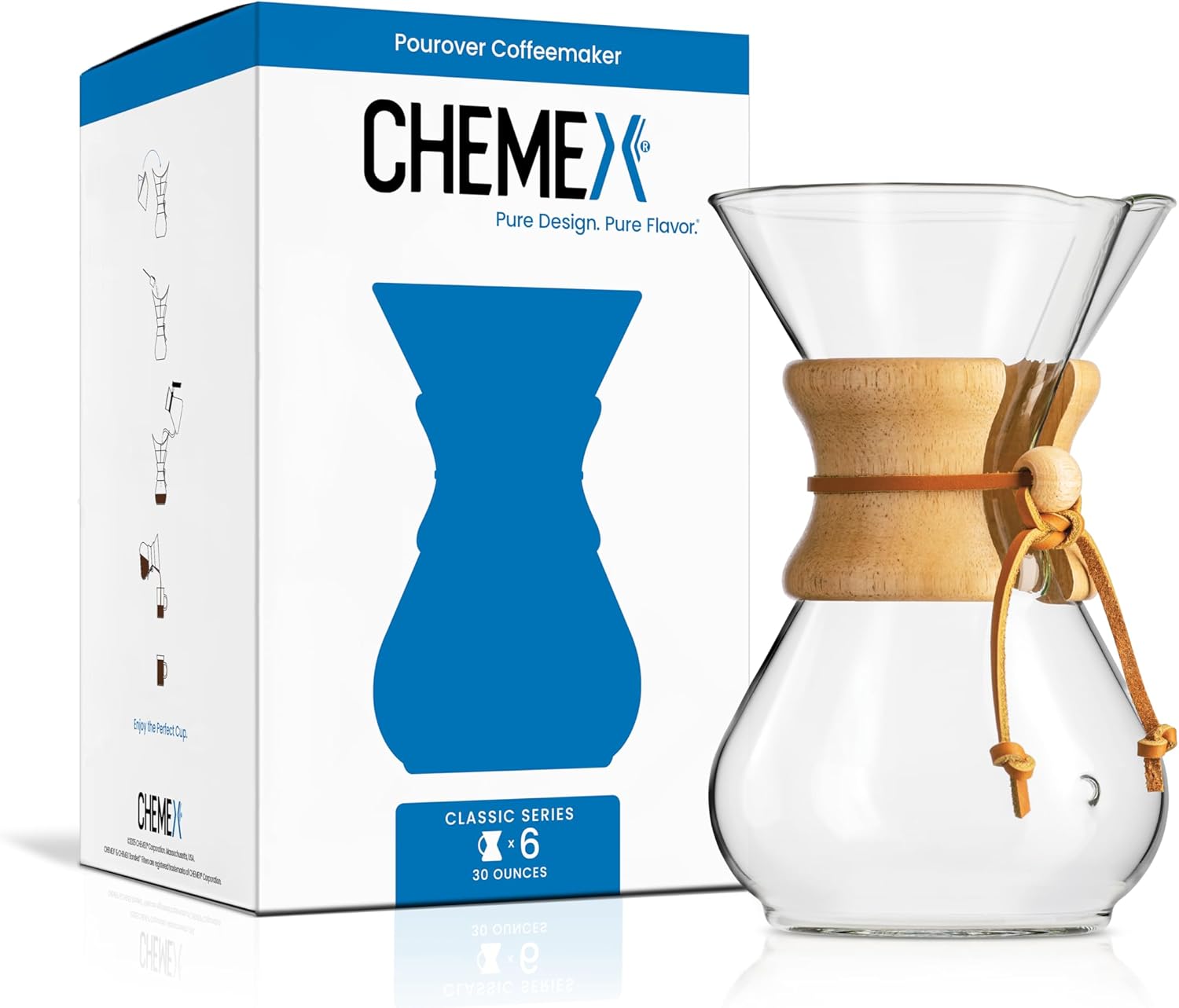
Best Coffee Makers With No Plastic in 2026
Last updated: September 2026 Every time you brew coffee in a plastic machine, you could be drinking microplastics with your morning cup. A 2024 study found that heating water in plastic containers releases billions of nanoplastic particles. Your coffee maker heats water to nearly boiling and pushes it through plastic tubes, reservoirs, and brew baskets…
-
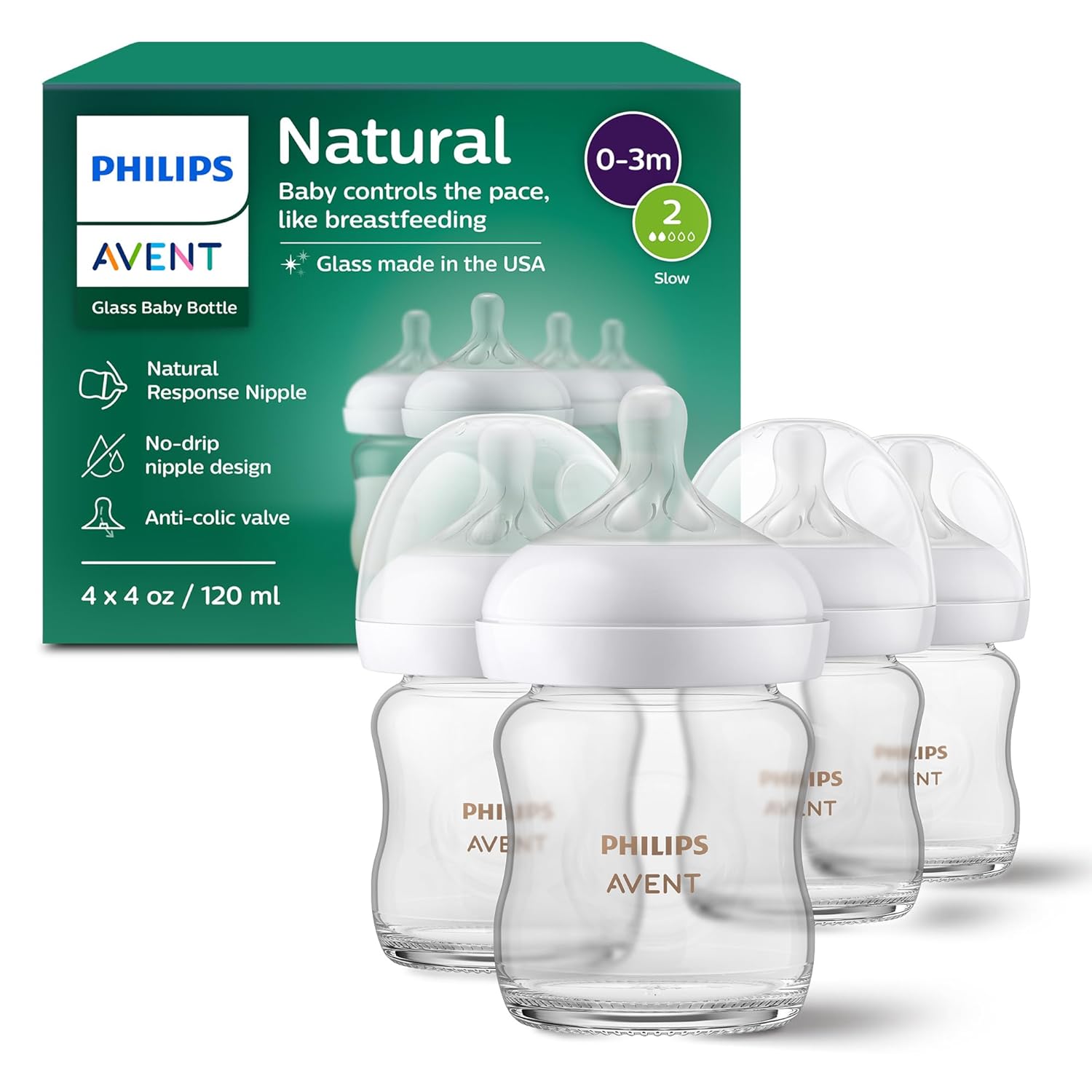
Best Non-Toxic Baby Bottles 2026: Glass, Steel & Silicone Options
Plastic baby bottles release millions of microplastics into your baby’s milk. Here are the safest glass, stainless steel, and silicone alternatives – reviewed and ranked.
-
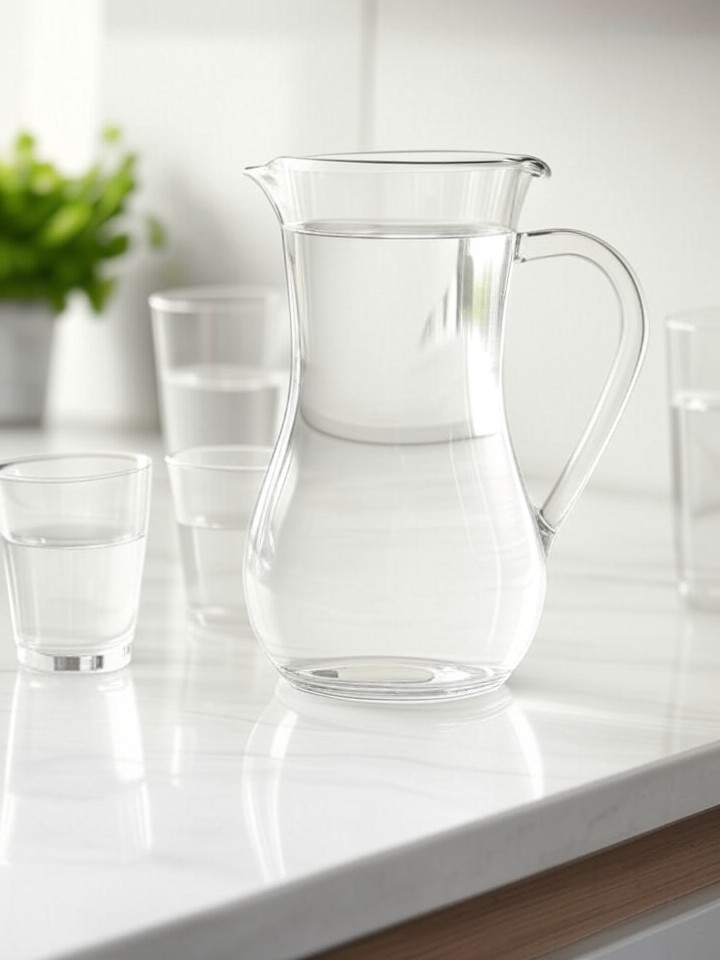
Best Water Filter for Microplastics in 2026: Complete Buyer’s Guide
Last updated: February 2026 · Written by the No Plastic Living team 📦 Quick Answer The best water filter for microplastics in 2026 is the AquaTru Carafe – a countertop reverse osmosis system with a glass carafe that’s IAPMO certified to NSF/ANSI 401 for microplastics reduction. It eliminated 100% of contaminants in independent testing, needs…
-
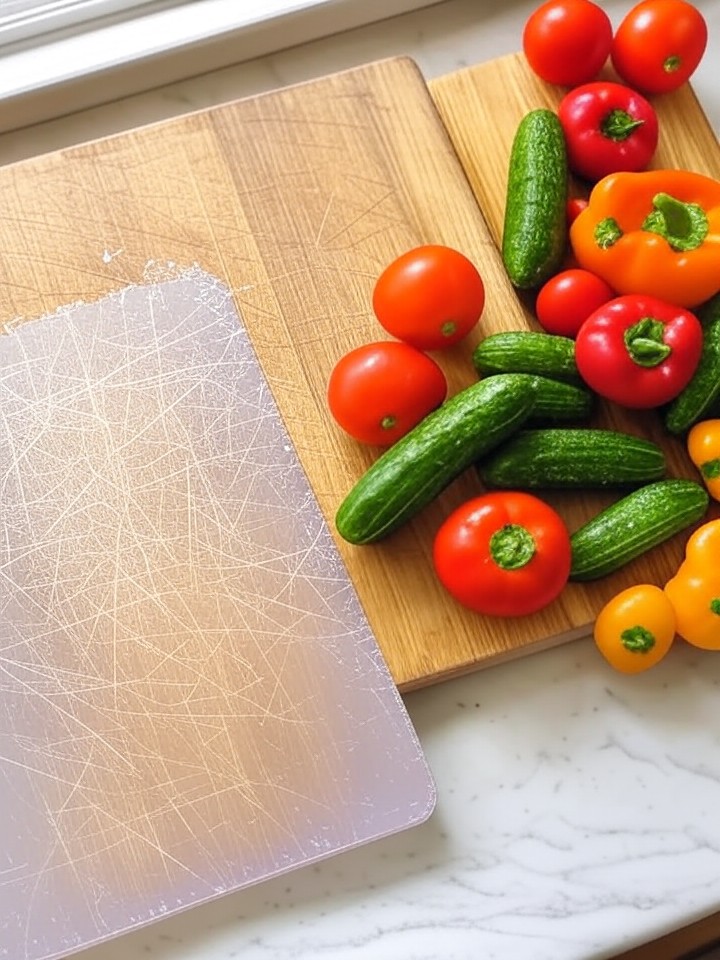
Are Plastic Cutting Boards Safe? What You Need to Know
Last updated: February 2026 · Written by the No Plastic Living team 📦 Quick Answer Plastic cutting boards release millions of microplastic particles into your food every year. A 2023 study found that a single polyethylene board can shed 14 to 71 million microplastics annually, while polypropylene boards release up to 79 million. Switching to…
-
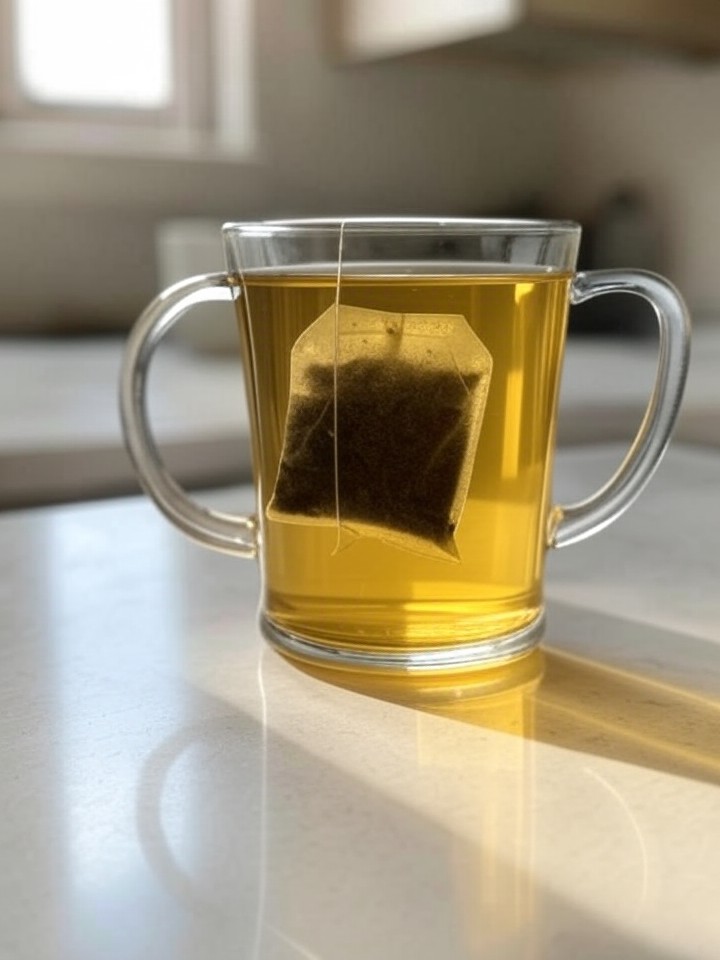
Microplastics in Tea Bags: Which Brands Are Safe?
A plastic tea bag can release 11.6 billion microplastic particles. Which brands are plastic-free, and why the kettle still matters.
-
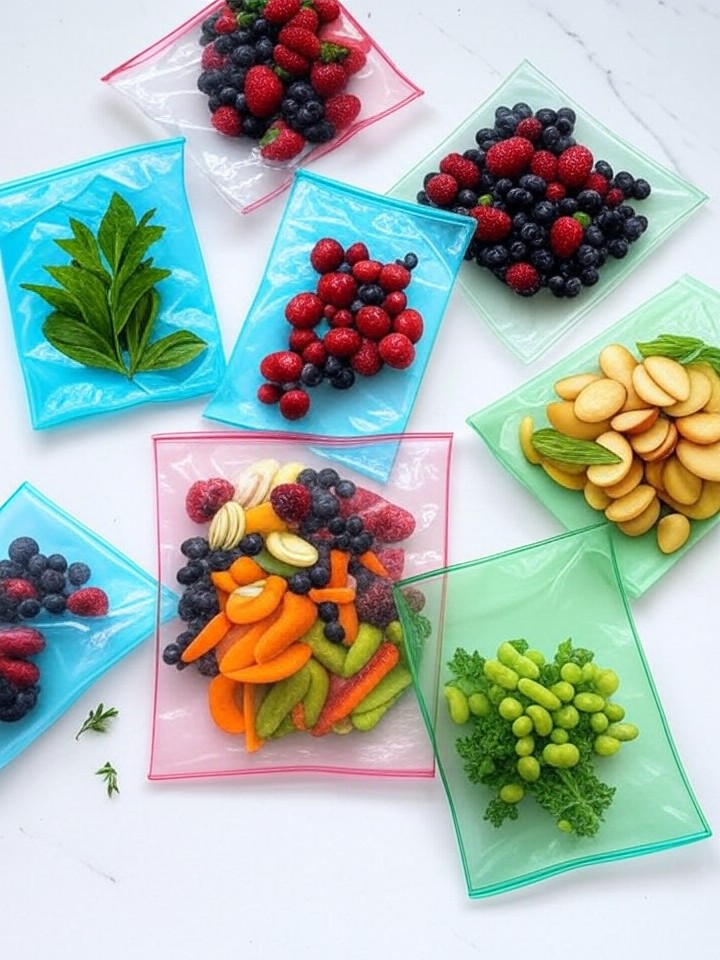
Stasher Bags Review: Are They Worth the Hype?
Last updated: September 2026 📦 Quick Verdict Yes, Stasher bags are worth it – but with caveats. At $12-15 per bag, they’re a genuine investment. You’re paying for platinum-cured silicone that won’t leach chemicals, survives thousands of uses, and handles everything from freezer to microwave to sous vide. If you meal prep, pack lunches, or…
-
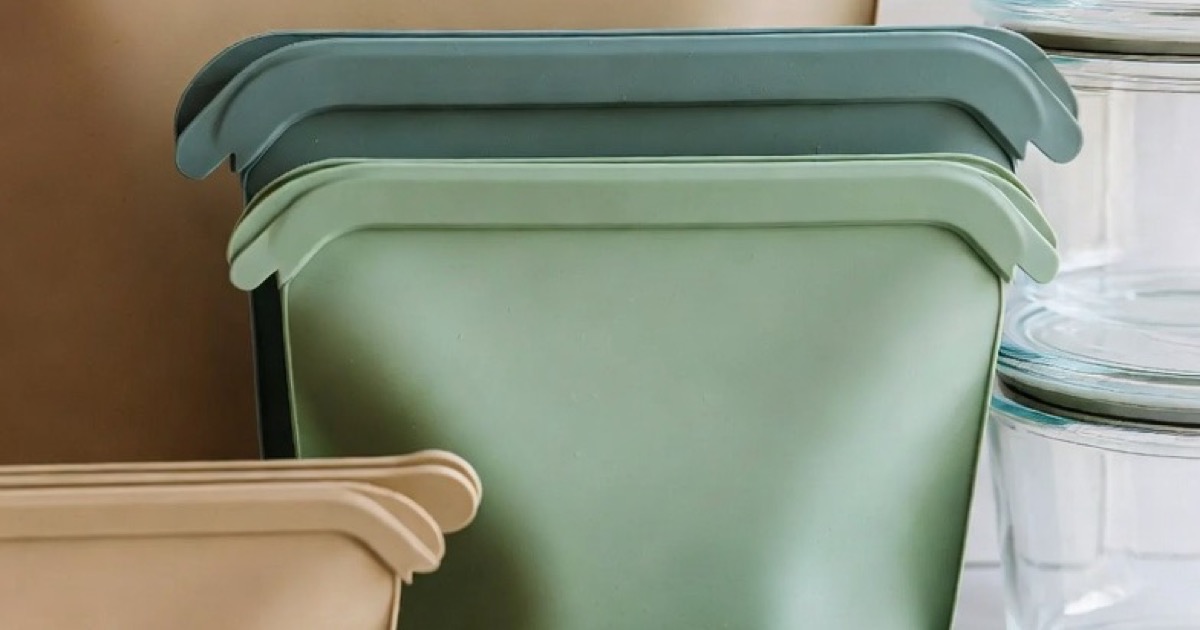
Is Silicone Safe? The Truth About Silicone vs Plastic
Last updated: February 2026 · Written by the No Plastic Living team 📦 Quick Answer Yes, food-grade silicone is generally safe – and significantly safer than plastic for food contact. Silicone contains no BPA, phthalates, or microplastic-shedding concerns. The FDA and European food safety authorities approve it for food use. Some siloxane compounds can migrate…
-
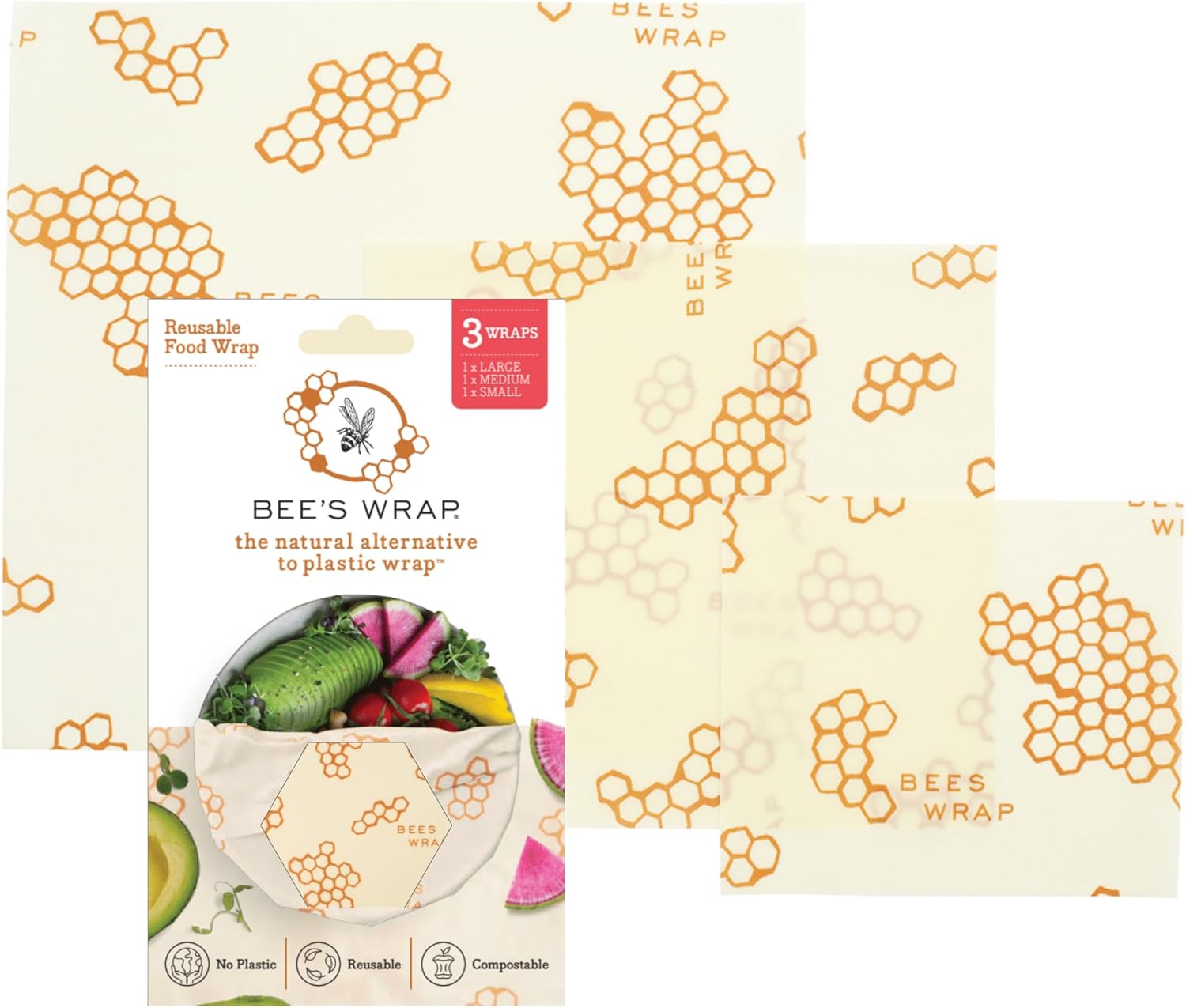
Best Beeswax Wraps in 2026: Ditch Plastic Wrap for Good
Best Beeswax Wraps in 2026: Ditch Plastic Wrap for Good Americans go through about 2 billion feet of plastic cling wrap per year. That is enough to circle the Earth roughly 15 times. Every inch of it is single-use, non-recyclable, and made from polyvinyl chloride (PVC) or low-density polyethylene (LDPE). Once you toss it, it…
-
Best Reusable Grocery Bags in 2026: What Actually Lasts
Americans use roughly 100 billion plastic bags per year. That is about 300 bags per person. Most of them are used for an average of 12 minutes before being thrown away, and less than 5% are recycled. The rest end up in landfills, waterways, and oceans, where they take up to 1,000 years to decompose…
-
Plastic Recycling Numbers 1-7: What They Actually Mean (And Which Are Safe)
Plastic Recycling Numbers 1-7: What They Actually Mean (And Which Are Safe) You have probably noticed those little triangles with numbers on the bottom of plastic products. Most people assume they mean "recyclable." That is… not exactly true. Those numbers are resin identification codes, and they tell you what type of plastic the item is…